
Crime in the City
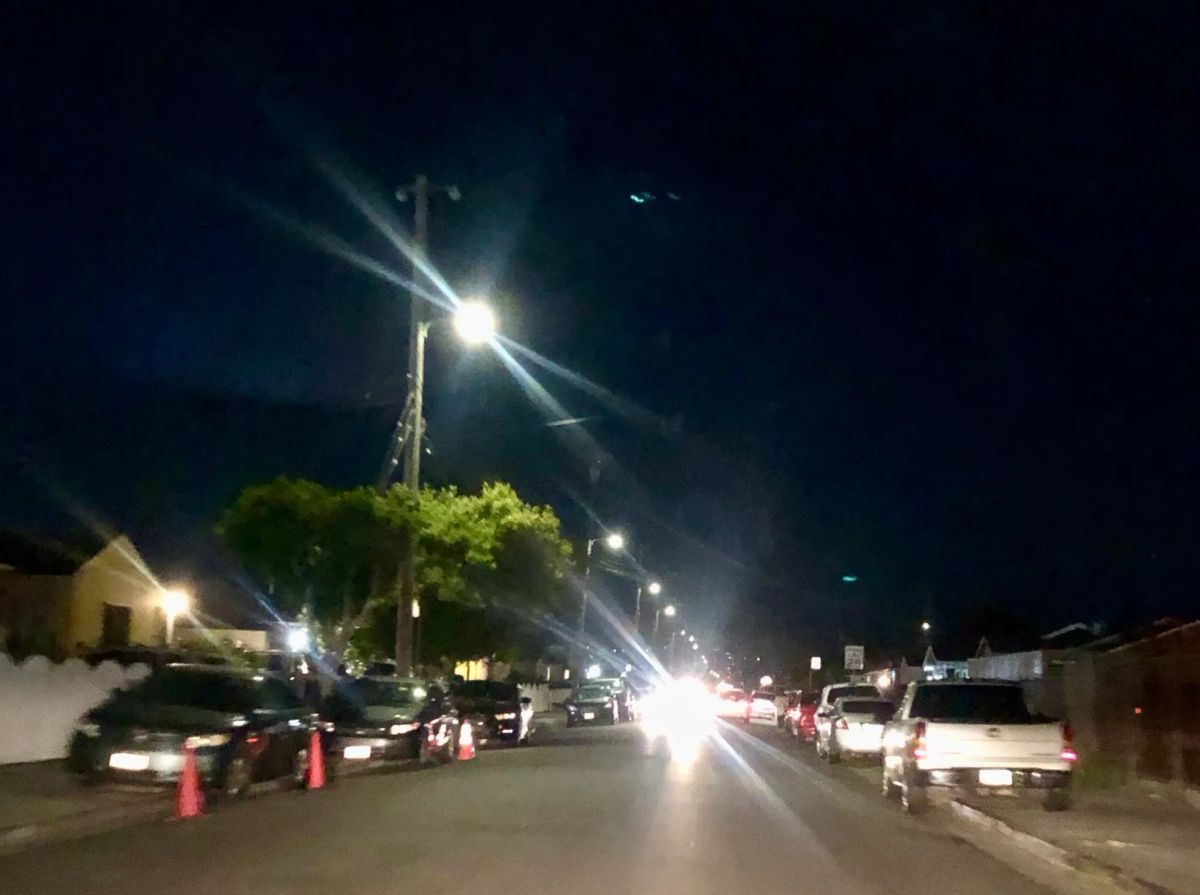
A Richmond man pleaded guilty Wednesday to a felony charge for engaging in commercial sex with a 16-year-old girl, becoming the first person convicted under a newly strengthened California law that allows prosecutors to charge sex buyers with a felony when the victim is a minor.
Cedric Demarcus Kelly, 37, entered a plea agreement in Contra Costa County on one count of engaging or agreeing to engage in prostitution with a minor. Judge Michael Nieto sentenced him to 180 days in county jail, two years of formal probation, and he must complete an educational course on human trafficking and the exploitation of minors.
The case was prosecuted under an amendment to Penal Code 647(b) that took effect January 1, 2026. The amendment allows felony charges against buyers when a minor was induced to engage in commercial sex through trafficking, or when the buyer is more than three years older than the victim.
The conviction came less than a month after residents, law enforcement, and advocates gathered at a Richmond crime prevention meeting to learn about the growing threat of human trafficking in their neighborhoods.
The case against Kelly began on February 21, when Richmond police responded to a 911 call from the minor after she reported an altercation. She told officers she had exchanged sex for money with Kelly, leading to his arrest. The Contra Costa District Attorney's Office received the referral on February 25 and filed charges that same day.
Kelly entered his plea before the case reached the preliminary hearing stage. Judge Michael Nieto sentenced him to 180 days in county jail and two years of formal probation that includes a search and seizure condition for evidence of solicitation. The court also issued a nighttime stay-away order from the 23rd Street corridor and required Kelly to complete "an educational course on human trafficking and the exploitation of minors."
District Attorney Diana Becton called the conviction a turning point.
"Contra Costa County's first felony conviction under the amended Penal Code 647(b) statute marks a turning point in how we prosecute those who buy sex from minors," Becton said. "This law recognizes that buyers are not bystanders; they are participants in the exploitation of minors. We are grateful to the Richmond Police Department and the Contra Costa Human Trafficking Task Force for their swift response and thorough work on this case."
Weeks before the conviction, residents participated in a virtual meeting hosted by the Richmond Crime Prevention Program to talk about exactly this kind of case.
Neighbors walk to address human trafficking issues
North and East neighbors joined with the community group Faith in Action for a peace walk Friday night to address growing frustration with human trafficking in their neighborhood. The group met at Wendell Park before heading out for a walk through the neighborhood with signs in hand, chanting, “Whose streets?
 Linda Hemmila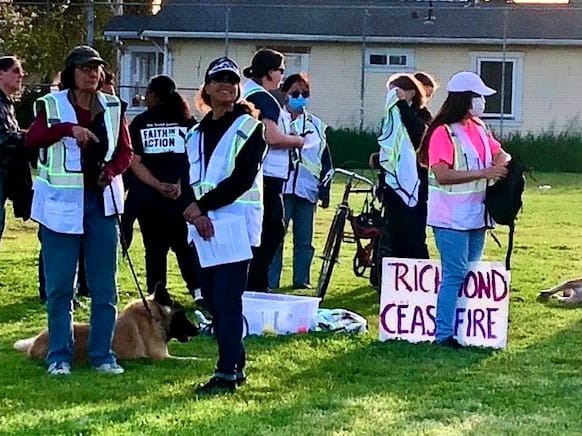
At the March 25 crime prevention meeting, Katrina Natale, director of the Contra Costa Human Trafficking Task Force, and Richmond Police Detective Alyssa Alvarado joined crime prevention manager Michelle Milam to brief residents from communities across Richmond.
Milam described what neighbors see daily and what frustrates them about the official response.
"I see the Facebook posts, the Nextdoor posts, the upset folks who are saying we're upset about this problem," Milam said. "What is being done about this? What can be done?"
Neighbors hope peace walk helps quell human trafficking concerns
Neighbors who live just east of 23rd Street say they are fed up with the human trafficking that has moved into their neighborhood. This Friday, they plan to join members of the community organization Faith in Action for a peace walk through the area, something they hope will bring attention
Linda Hemmila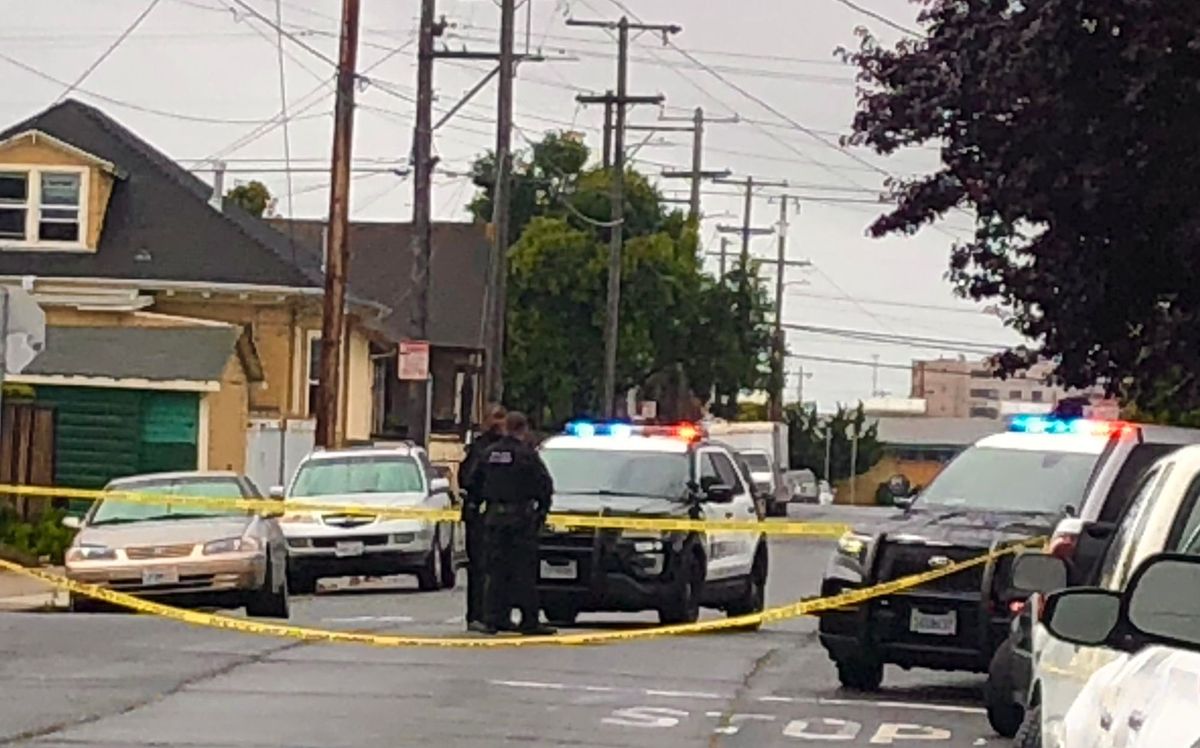
Natale laid out the basics: human trafficking is an umbrella term covering both sex trafficking and labor trafficking. Under California law, any minor engaged in commercial sex work is automatically a victim of human trafficking, there is no such thing, she said, as child prostitution.
"A child cannot consent to participate in commercial sex," Natale said.
Residents expressed frustration that the sex trafficking activity long associated with 23rd Street had crept deeper into surrounding neighborhoods, showing up on side streets, in alleys, and on private property.
Natale and Detective Alvarado were candid: there is no easy fix.
"Once an area is identified for this and becomes known for this, that can be really difficult to reverse," Natale said, noting that the blade in Richmond has existed for decades.
Alvarado explained the challenges of building prosecutable cases when victims often don't initially identify as such, and when buyers use cash apps and digital payment methods that complicate creating a paper trail.
"Just because it's not perfect doesn't mean we won't prosecute it," Alvarado said. "But also, just because we have a handful of the dots together doesn't mean we have a full picture."
The task force had been planning a countywide outreach and media campaign, including billboards near 23rd Street, to warn buyers that the law had changed and that soliciting a minor for sex could now result in felony charges. Kelly's conviction is the first proof that the threat is real.
The meeting also surfaced community concerns about what happens to the victims themselves. Natale described a network of 15 agencies within the task force that provide services to survivors, led on the front lines by Community Violence Solutions, which operates a 24-hour crisis line and can dispatch advocates to meet victims at the Family Justice Center in Richmond.
She cautioned the public that rescuing trafficking victims is rarely the dramatic, one-time intervention depicted in movies.
"It's an iterative process," Natale said. "Very often, it's not uncommon for law enforcement to encounter the same victims again and again. Service providers are committed to showing up, time and time again, and being there when that person is ready to take that step away from their trafficker."
YOU GET MORE WITH A PAID SUBSCRIPTION
Your subscription enables Grandview Independent to deliver more:
- More time devoted to in-depth reporting
- Longer, more comprehensive stories
- Greater coverage of what matters to our community
Quality journalism costs money. Subscriptions allow us to keep reporting the stories that matter, without paywalls getting in the way of critical community information.
CLICK HERE TO SUBSCRIBE - Starting at just $10/month
FOLLOW US FOR BREAKING NEWS:
• Twitter: @GrandviewIndy
• Instagram: @GrandviewIndependent
• Facebook: @Grandview Independent
Copyright © 2026 Grandview Independent, all rights reserved.
Members Discussion