
Weekend Feature
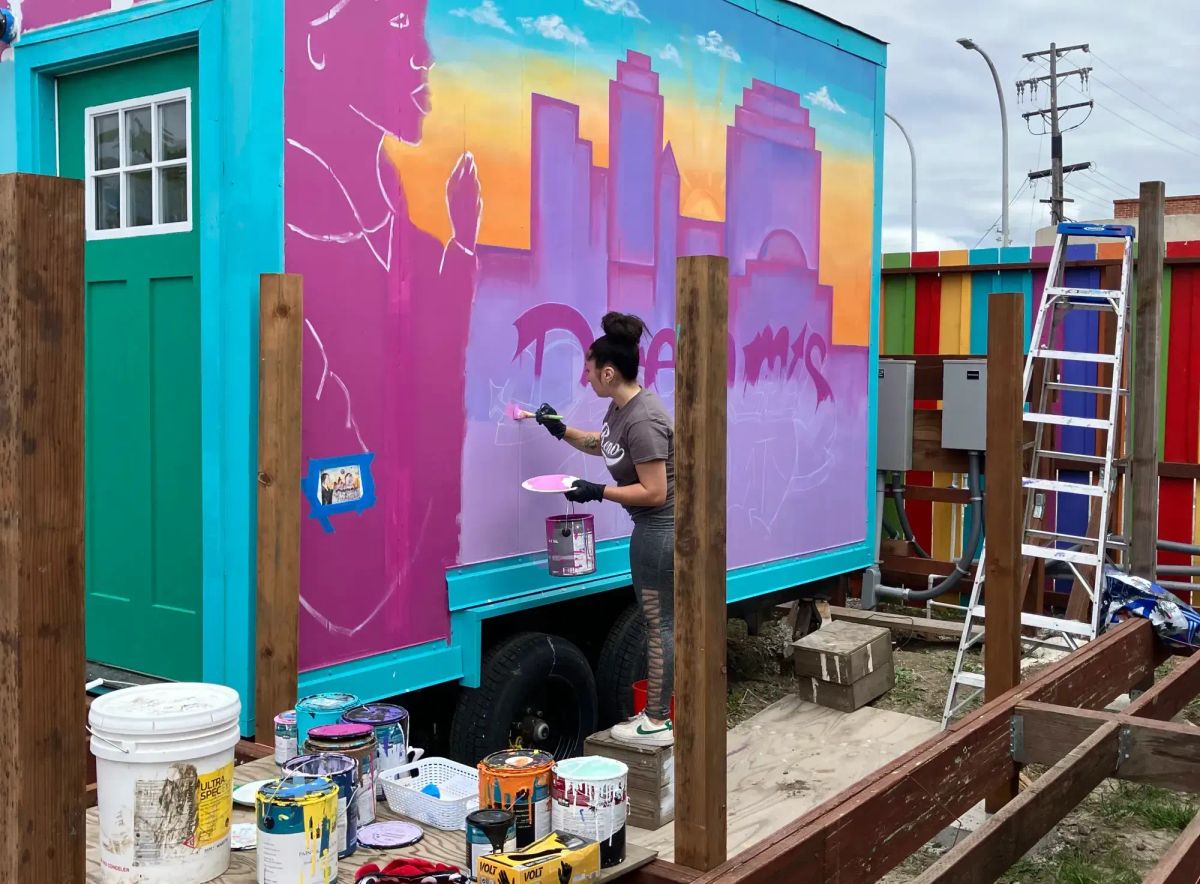
A tiny home village for unhoused young adults at Bissell Avenue and 23rd Street is months away from opening its doors, and the group behind it is already planning a second.
Dozens of visitors, including a youth delegation from Seine-Saint-Denis, France, toured the Tiny House Village, Farm and Garden Project, across from the GRIP Center, on Sunday, May 3, as part of the East Bay Co-Housing Crawl, held in recognition of Affordable Housing Month.
The event, which featured guided tours, volunteers at work, snacks, and music, offered the public a look at the site: organizers say access to the vibrant murals and community art throughout the village may not be publicly available once residents move in.
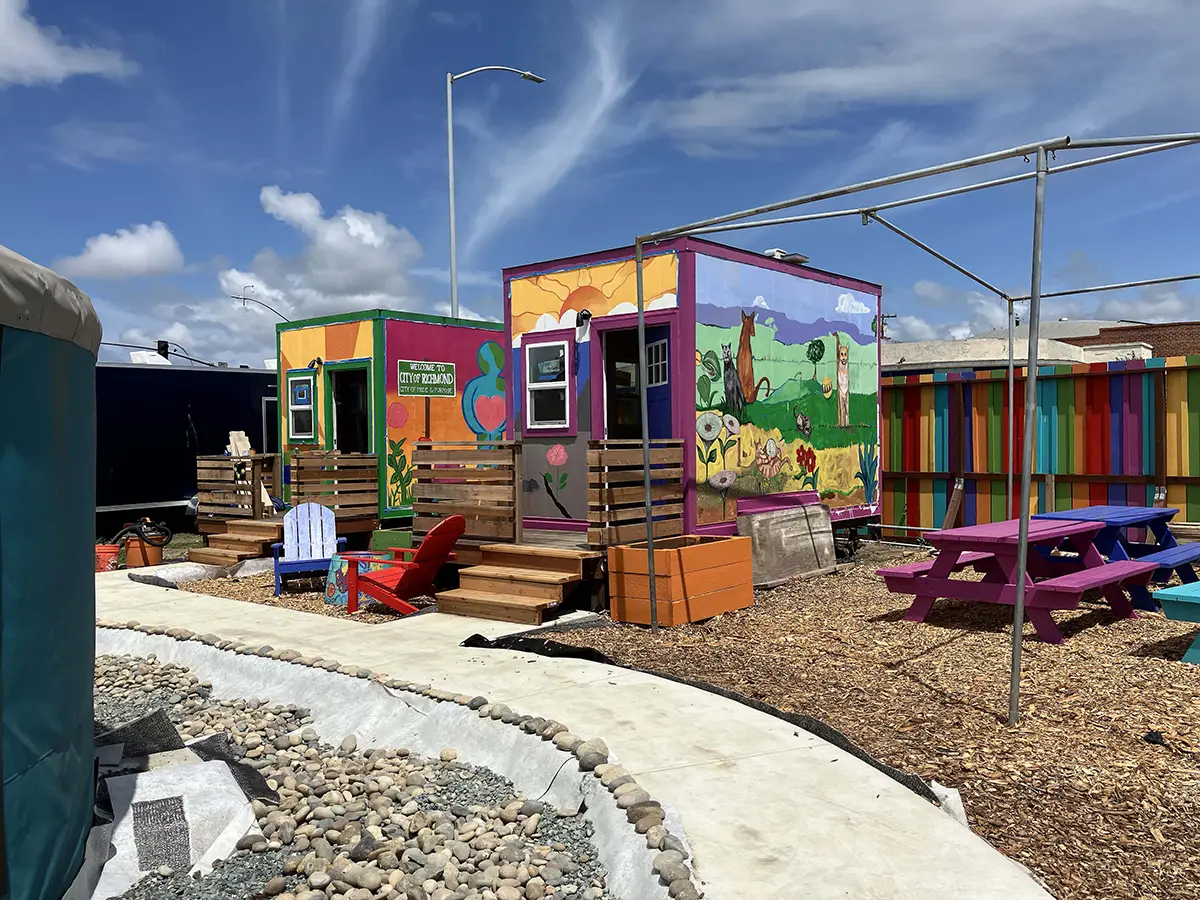
Tiny Village Spirit coordinator Sally Hindman said the 12-unit village is targeting a July 1 completion, with residents expected to move in by August and a grand opening celebration planned for September.
"Everything's ready on July 1," Hindman said. "We want to give it a little flexibility, just in case we're still waiting for a permit or something."
The village, on land leased by the Richmond Police Activities League, will house unhoused Richmond residents ages 18 to 24, a population HUD classifies as transitional age youth. Under an agreement with five neighborhood councils that unanimously approved the project, the first six residents will move in during the first year. Organizers will evaluate the results, check back with the councils, and bring in the remaining six in year two.
Tiny house village proposed at vacant city-owned lot across from GRIP center
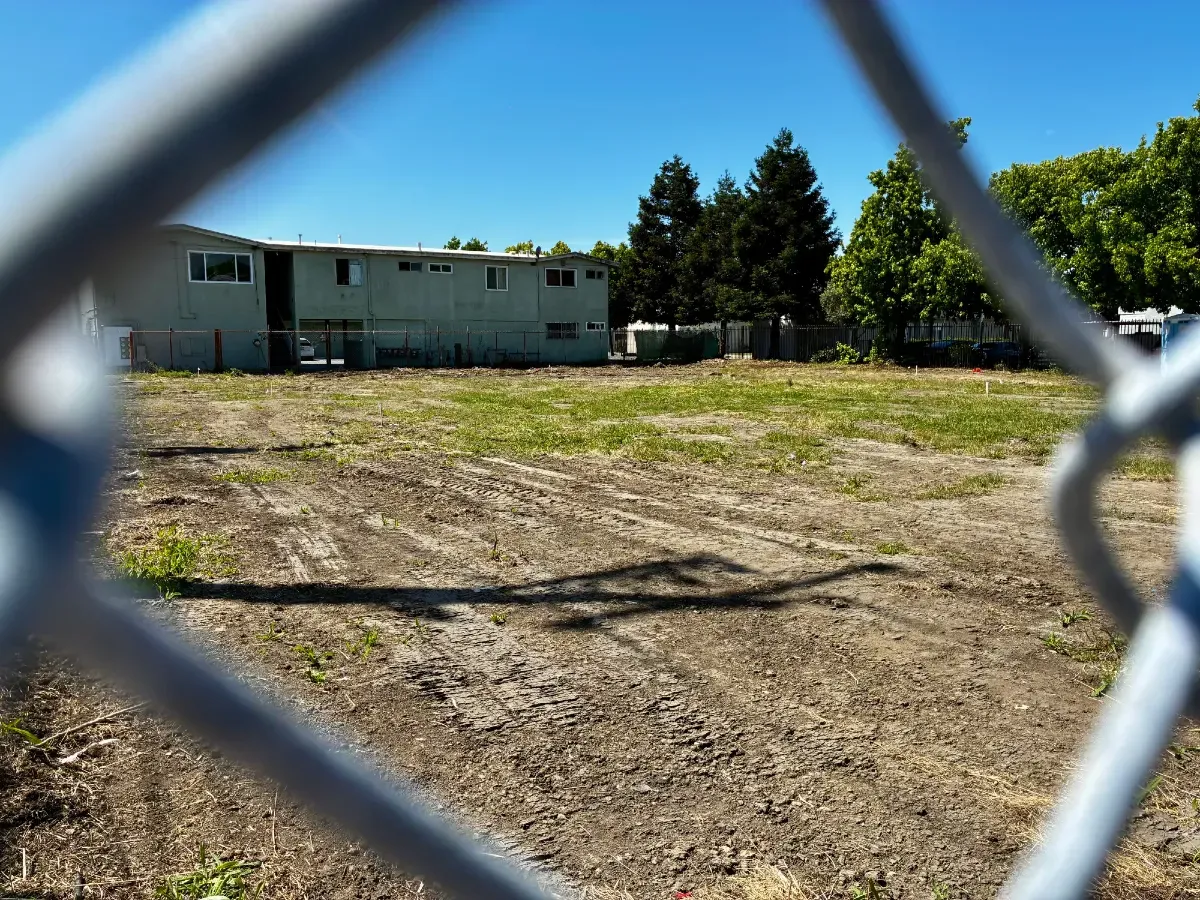
A half dozen nonprofits are drumming up support for a proposed tiny house village on a vacant city-owned lot on Bissell Avenue. The Richmond Tiny House Village Farm and Garden Project pilot project would initially create six tiny homes on trailers for Richmond young people aged 18-24 on land leased
 Soren Hemmila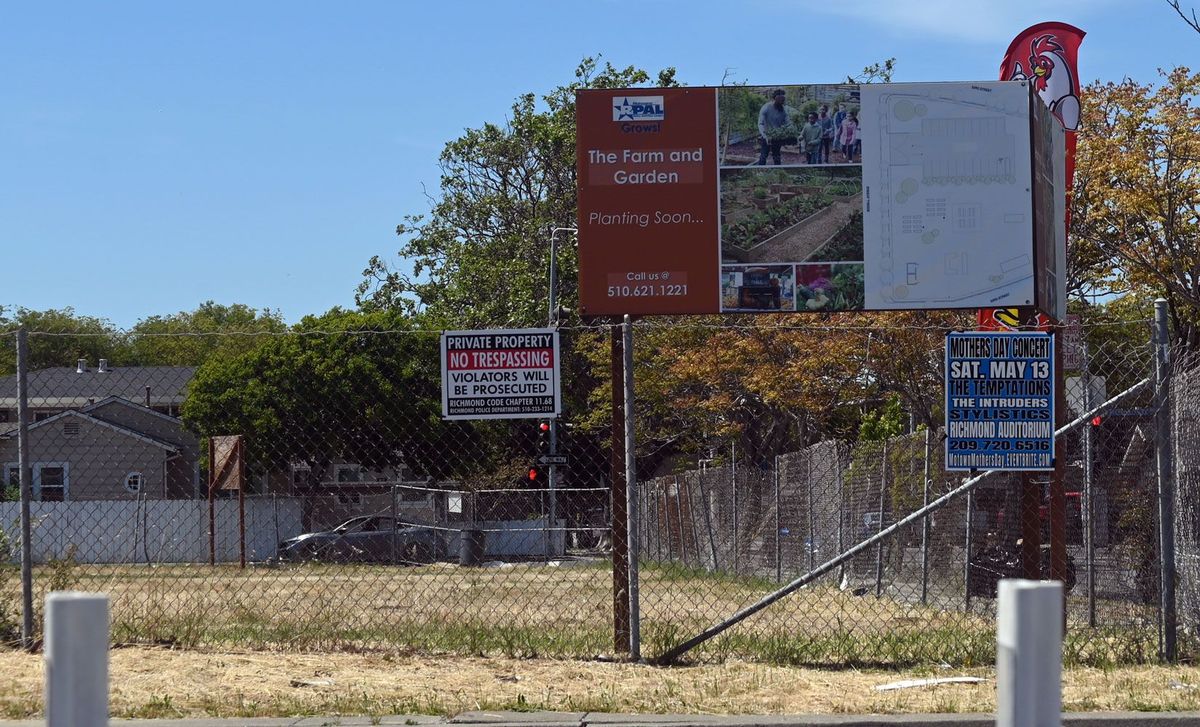
The project drew more than 3,000 volunteers and 81 partner organizations, including more than 20 congregations, two Richmond high schools' shop classes, and nonprofits from across the Bay Area. Over 1,000 youth helped build a "blessings fence" of hand-painted planks that surrounds the village.
Hindman said the capital budget had been about $1 million, but in-kind contributions from volunteers and businesses brought the final cost to roughly half that. The concrete walkway was one of the few things that required hiring a contractor.
Organizers apply for Tiny House Village permit on 23rd Street
Tiny Village Spirit has applied for a temporary use permit to create homes for young people on their Tiny House Village, Farm & Garden project across from the GRIP shelter. The project will include two 20-foot diameter yurts, up to 12 small homes, a bathroom trailer, and an office building on
Soren Hemmila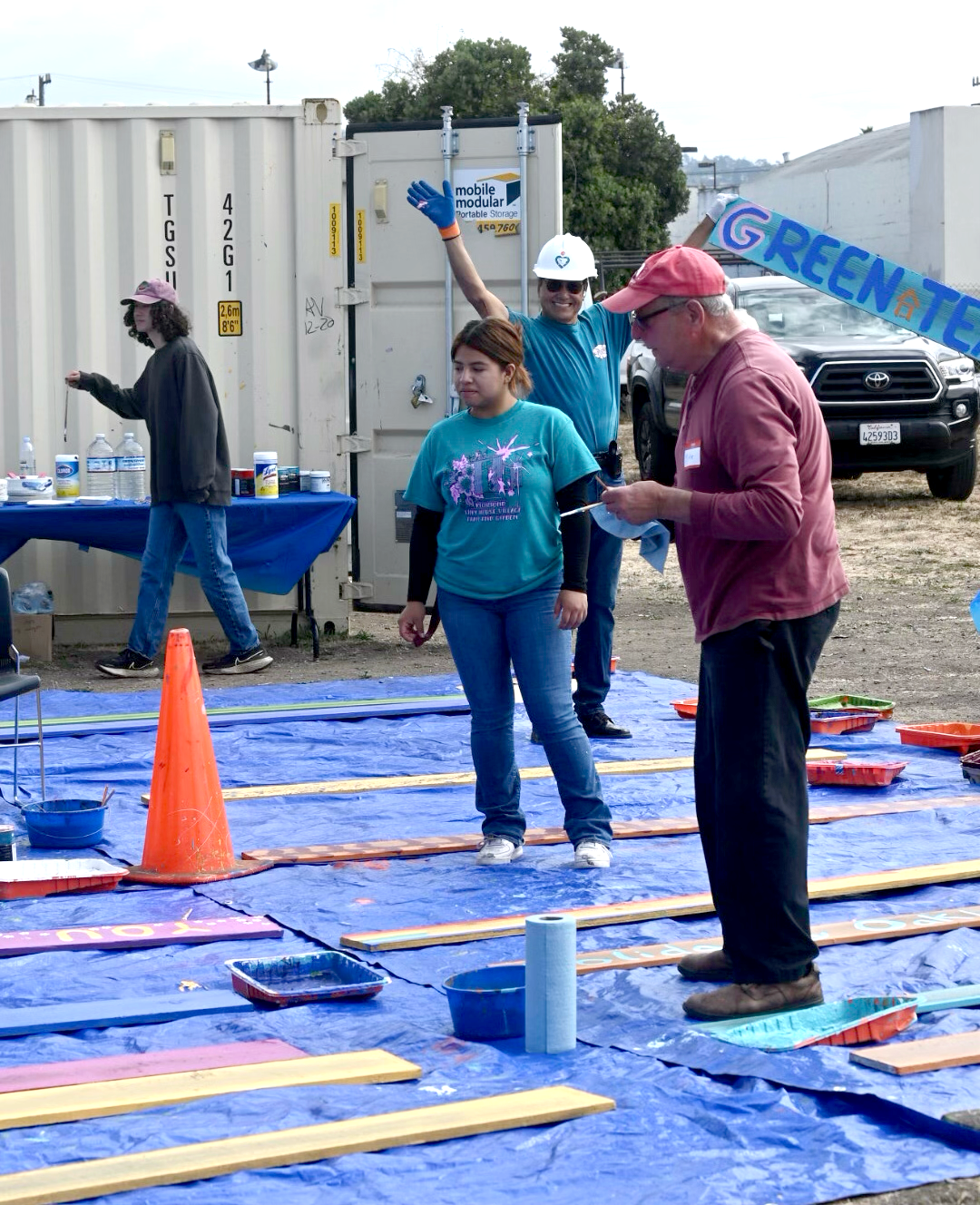
Maheesh Jain, board president of Tiny Village Spirit, said the key to moving the project forward in a city where homeless services have often faced neighborhood resistance was working through people's concerns one by one, rather than trying to minimize them.
"We build communities that build houses," Jain said. "It's really working through each one of their fears and trying to address them individually, and how do you bring someone from opposing the project into the coalition? How do you make them part of the process?"
The village includes two yurts used as community space, a bathroom trailer with three stalls, including one accessible unit, and a maker space. A shared kitchen is expected to be installed within the next four weeks.
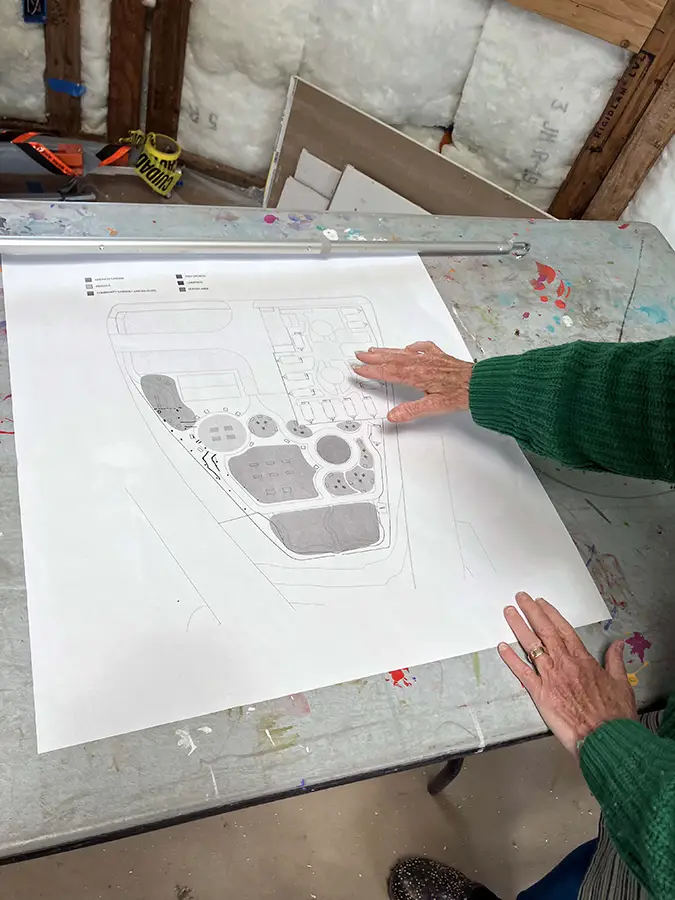
Youth have been central to the project from the start. More than 50 young people from Richmond served as core leaders, speaking at city council meetings, helping set art guidelines, and painting murals throughout the village.
The farm and garden portion of the site will grow more than 20 fruits and vegetables chosen by youth and is planned to supply a community kitchen, feed village residents, and stock a free weekly food table open to the neighborhood. Plans also call for a youth-run cafe and an indigenous garden developed in partnership with Sogorea Te' Land Trust.
Richmond council member pushes tiny home villages for unsheltered adults
District 5 Councilmember Gayle McLaughlin is working with community members and city staff to identify sites to build tiny home villages for adults in Richmond. Tiny villages are temporary housing communities that provide a supportive environment for people experiencing homelessness as they transition to more permanent housing. One such tiny
Soren Hemmila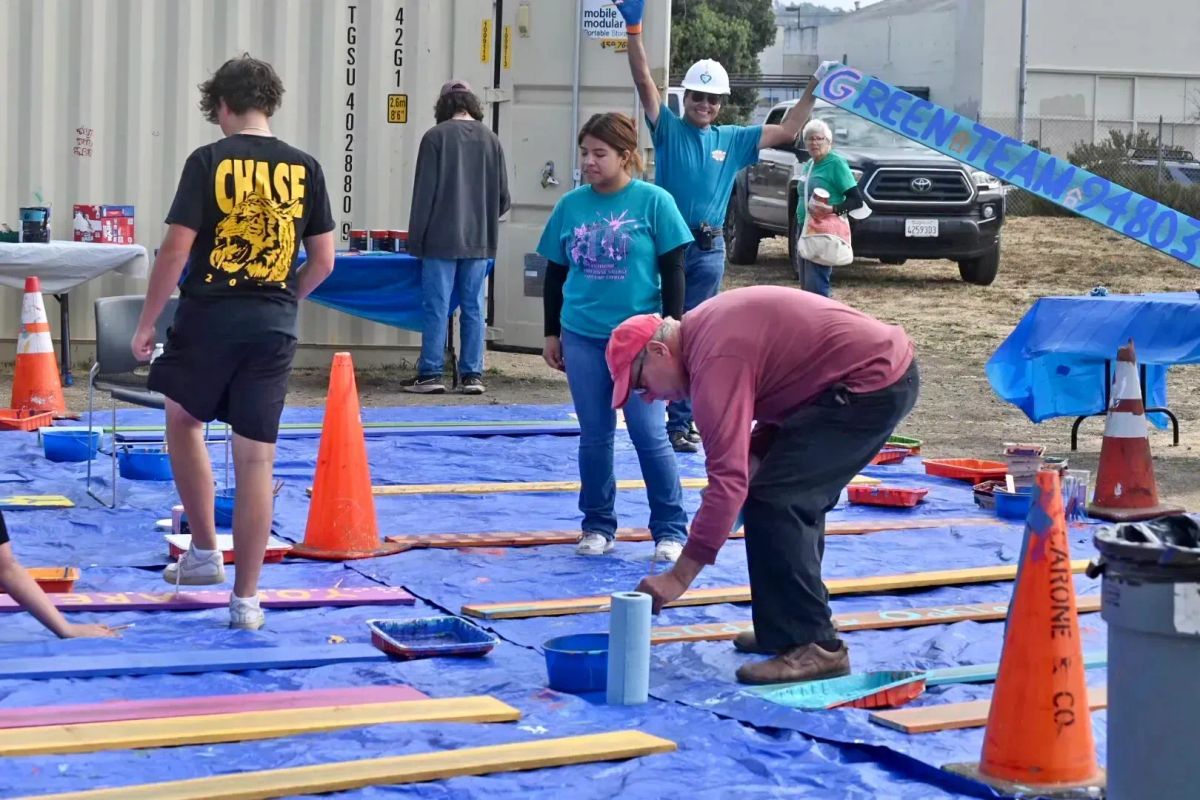
Hindman said the nearest parks to the neighborhood are between a half mile and a mile away, and that she sees the farm and garden as filling a gap in community green space.
Meanwhile, organizers are positioning themselves to build a second village, this one for adults, at a city-owned site on First and Nevin, across the street from the Richmond Peace Garden. A coalition of seven organizations is involved, including Tiny Village Spirit, the Greater Richmond Interfaith Program, Bay Area Outreach Mission, Youth Works and the USF Architecture Department.
The city has not yet released a request for proposals for the site, which Hindman attributed to city staff bandwidth. She said the project already has significant city council support, and that the coalition has been meeting with the two nearest neighborhood councils to develop a shared vision before any formal application.
"We're approaching the neighborhood councils as stakeholders," Hindman said. "We're in the process of really developing a shared vision that everybody feels comfortable with."
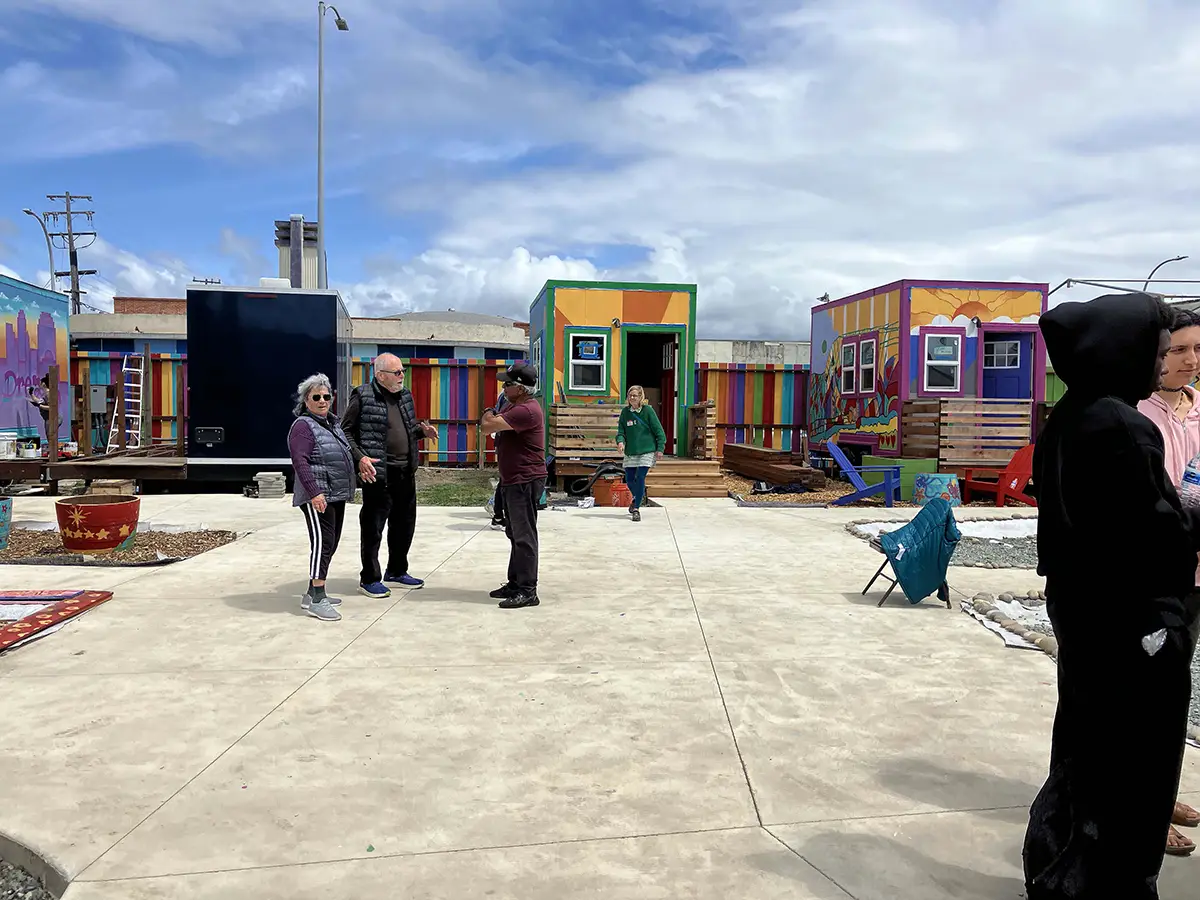

Visitors tour the 23rd Street tiny home village during an open house event in Richmond, getting a firsthand look at the community’s shared spaces, homes, and supportive village environment.
Tyler Kirkpatrick, a volunteer coordinator on the 23rd Street project who works as an architect at Pyatok Architects in Oakland, said the permitting process required navigating an unusual split in jurisdiction: the site plan went through the city building department, but the tiny homes themselves, built on trailers, were inspected and certified through the DMV. Yurts, he added, don't fit neatly into any existing building code category.
Kirkpatrick said he expects that groundwork to help future projects move faster.
"Having this one gone through the process will probably speed up the future ones," Kirkpatrick said. "They'll say, okay, we know you guys, we know roughly what this is going to be."
YOU GET MORE WITH A PAID SUBSCRIPTION
Your subscription enables Grandview Independent to deliver more:
- More time devoted to in-depth reporting
- Longer, more comprehensive stories
- Greater coverage of what matters to our community
Quality journalism costs money. Subscriptions allow us to keep reporting the stories that matter, without paywalls getting in the way of critical community information.
CLICK HERE TO SUBSCRIBE - Starting at just $10/month
FOLLOW US FOR BREAKING NEWS:
• Twitter: @GrandviewIndy
• Instagram: @GrandviewIndependent
• Facebook: @Grandview Independent
Copyright © 2026 Grandview Independent, all rights reserved.
Members Discussion