
Housing
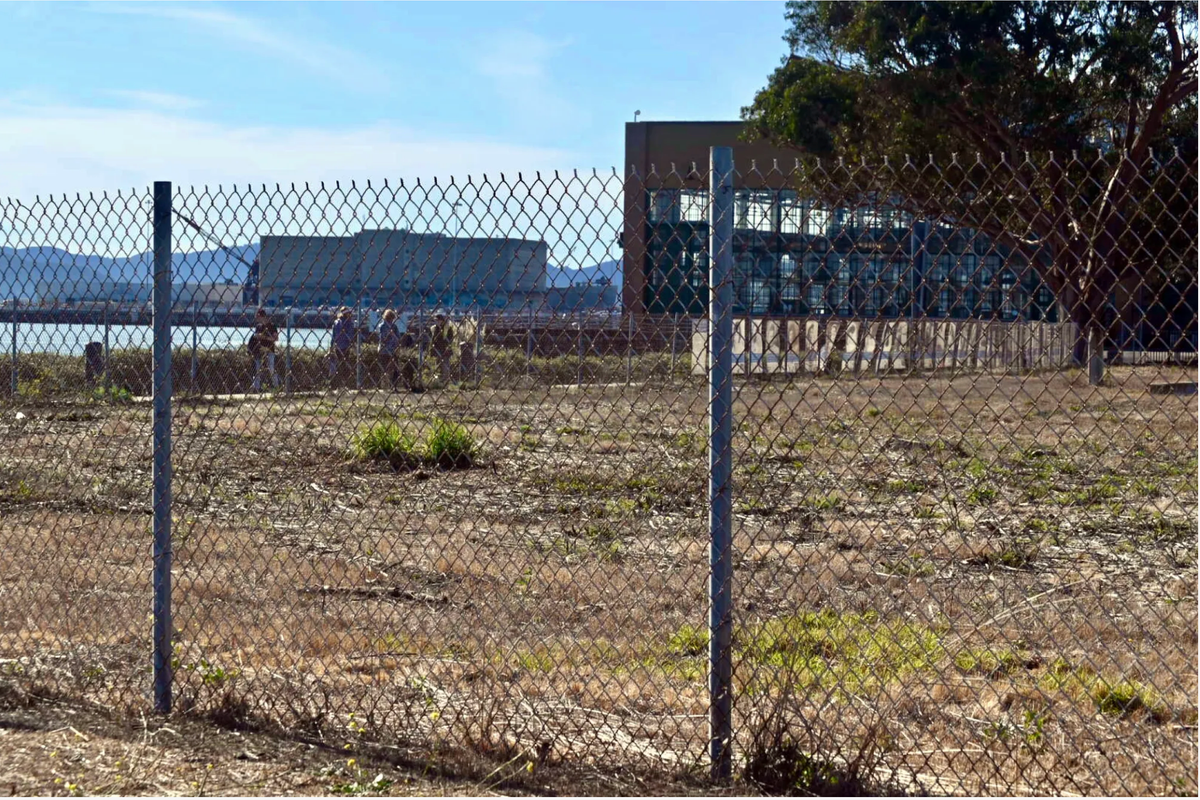
The Richmond City Council voted 4-0 Tuesday night to let a 70-home development at the foot of Marina Way South move forward, siding with the developer over trail advocates who wanted stronger protections for a stretch of shoreline between the new houses and San Francisco Bay.
The Marina Point Residential Project, proposed by Guardian Commercial Real Estate LP of Carlsbad, would build 70 three-story single-family homes and 30 junior accessory dwelling units on a 4.92-acre site in the Marina Bay neighborhood. Seven units would be deed-restricted as moderate-income affordable housing. Councilmember Soheila Bana abstained. Councilmember Cesar Zepeda was absent.
On the agenda: Marina Bay housing appeals, the draft budget, a CO2 pipeline vote, and more
Tuesday’s Richmond City Council meeting is one of the heavier agendas of the year: a first look at a $275 million draft budget, a public hearing over a Marina Bay waterfront housing project with appeals from both the developer and a trails group, a vote on opposing a regional CO2
 Soren Hemmila
From the outset, city planning staff made clear the council had limited room to maneuver. Planning Manager Avery Stark warned that rejecting the project would expose Richmond to serious legal consequences.
"The Attorney General's office and through HCD have been very actively pursuing cities who violate housing law," Stark told the council. "It would put us in jeopardy of being sued by the Attorney General. It would likely decertify our housing element, and it would open us up to the builders' remedy, which is a path that we would not want to go down."
Marina Bay waterfront housing project moves to design review
A proposed waterfront housing development in Marina Bay is back in the spotlight after the city missed state-mandated deadlines for reviewing the plan. The Marina Point Residential Project calls for 70 three-story homes plus 30 accessory dwelling units on a 4.92-acre vacant parcel next to the Rosie the Riveter
Soren Hemmila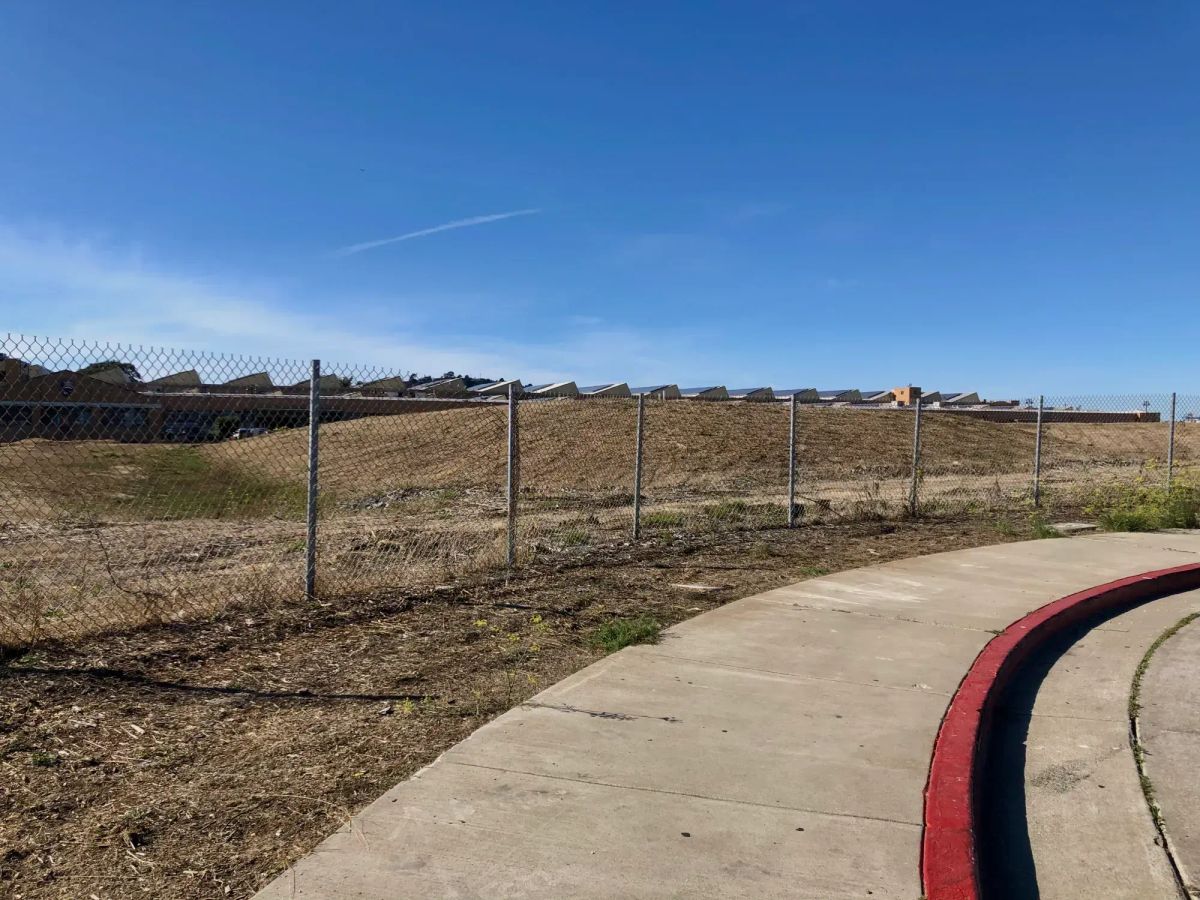
Councilmember Doria Robinson cut to the chase: "So the way that you're proposing is that we still get the park, they pay for it with their in-lieu fees, and we don't get sued by the state?"
"This is my dedication to the city of Richmond, that this is something that, along with all the many other things that we do in the planning department and across the city, this is just you hearing from me the dedication to making this happen," Stark replied.
At the heart of the hearing was a 50- to 60-foot strip of undeveloped land between the new homes and the existing San Francisco Bay Trail, and the question of who would be responsible for turning it into usable public space.
Bruce Beyaert, chair of the Trails for Richmond Action Committee (TRAC) and one of two appellants, argued the solution was simple: make the developer do it. He said it was unprecedented for a city to take on that burden instead.
"I've never heard of a case in the entire nine-county Bay Area where the city has agreed to get a BCDC permit for an applicant and take title to the shoreline band," Beyaert said. "Never heard of such a thing. Certainly not in Richmond."
The developer's land-use attorney, Brian Winter, confirmed that the applicant had tried and failed to obtain approval from the San Francisco Bay Conservation and Development Commission over the course of years of negotiations. "We attended, I believe, two hearings in front of the BCDC Design Review Board, and they were unequivocally clear that they desired that we pull the project completely back from the 100-foot shoreline band," he said.
Residents were largely skeptical. Bruce Brubaker, a Richmond planning commissioner, objected that the shoreline design would be approved without public review. Plans already shown to the community, he noted, depicted the 60-foot stretch as "being dirt."
Margarita Mitas, president of the Marina Bay Neighborhood Council, questioned who was really on the hook. "If the applicant is not taking responsibility for the required improvements, then who's paying for it?" she said.
Under the conditions the council adopted, the developer will deed the shoreline parcel, called Parcel C, to the city to extend Lucretia Edwards Shoreline Park and must submit a detailed design package for landscaping and public access. The city's Planning Manager will oversee the design administratively.
Stark said he was confident the city could succeed where the developer had not. "I'm thinking of it as a park that you'd be able to watch the Fourth of July fireworks from," he said. Park improvements are estimated at $250,000 to $450,000, funded through credits against the developer's park-in-lieu fee. The developer will also pay $150,000 toward staff costs and $25,000 toward the Richmond Wellness Trail Phase 2 extension.
Councilmember Soheila Bana had pushed to delay the vote. "Can we give all parties a chance to work it out?" she asked. "It seems like we are very close." Bana ultimately abstained.
YOU GET MORE WITH A PAID SUBSCRIPTION
Your subscription enables Grandview Independent to deliver more:
- More time devoted to in-depth reporting
- Longer, more comprehensive stories
- Greater coverage of what matters to our community
Quality journalism costs money. Subscriptions allow us to keep reporting the stories that matter, without paywalls getting in the way of critical community information.
CLICK HERE TO SUBSCRIBE - Starting at just $10/month
FOLLOW US FOR BREAKING NEWS:
• Twitter: @GrandviewIndy
• Instagram: @GrandviewIndependent
• Facebook: @Grandview Independent
Copyright © 2026 Grandview Independent, all rights reserved.
Members Discussion