
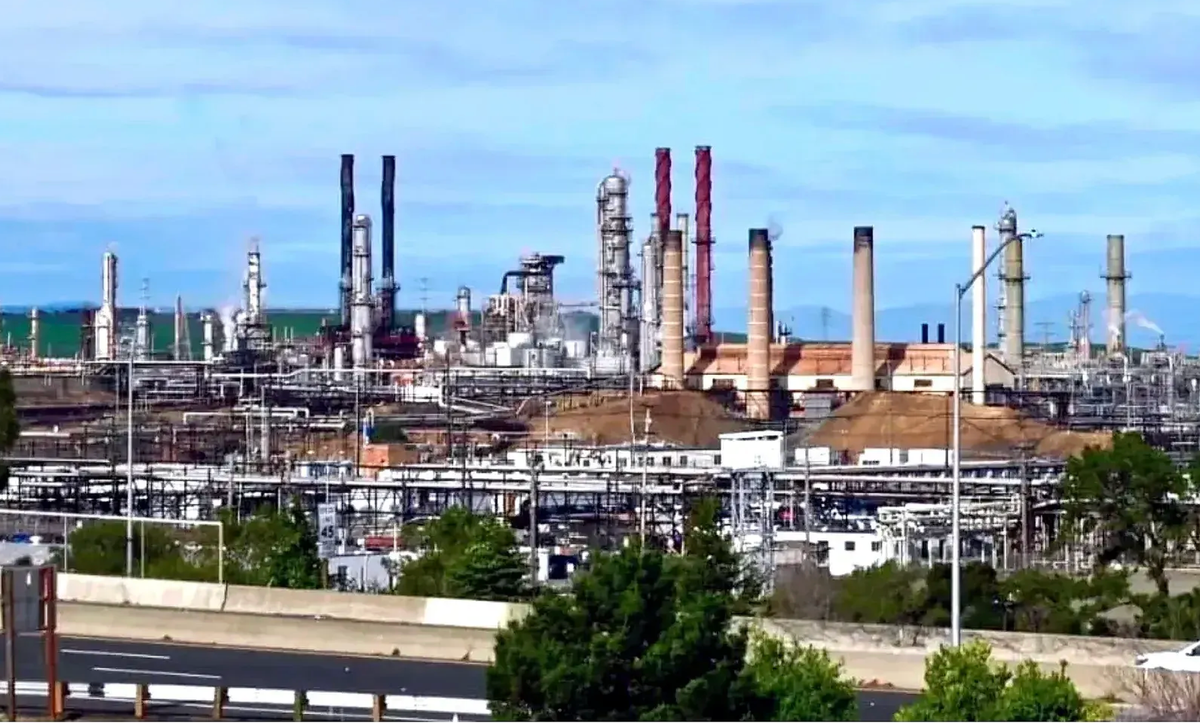
About 33,900 pounds of hydrogen sulfide and 1,620 pounds of ammonia were released from a flare stack at Chevron's Richmond refinery over 42 hours, the company says. The release caused the rotten egg smell that spread across Richmond and San Pablo starting the night of October 22.
Odor across Richmond and San Pablo traced to Chevron refinery
A smell drifted across Richmond and San Pablo Thursday night, with residents describing it as anything from rotten eggs and sulfur to sewage. Today, the Bay Area Air District traced the hydrogen sulfide odor to an area of the Chevron refinery just downwind of its flares. The district’s incident
 Soren Hemmila
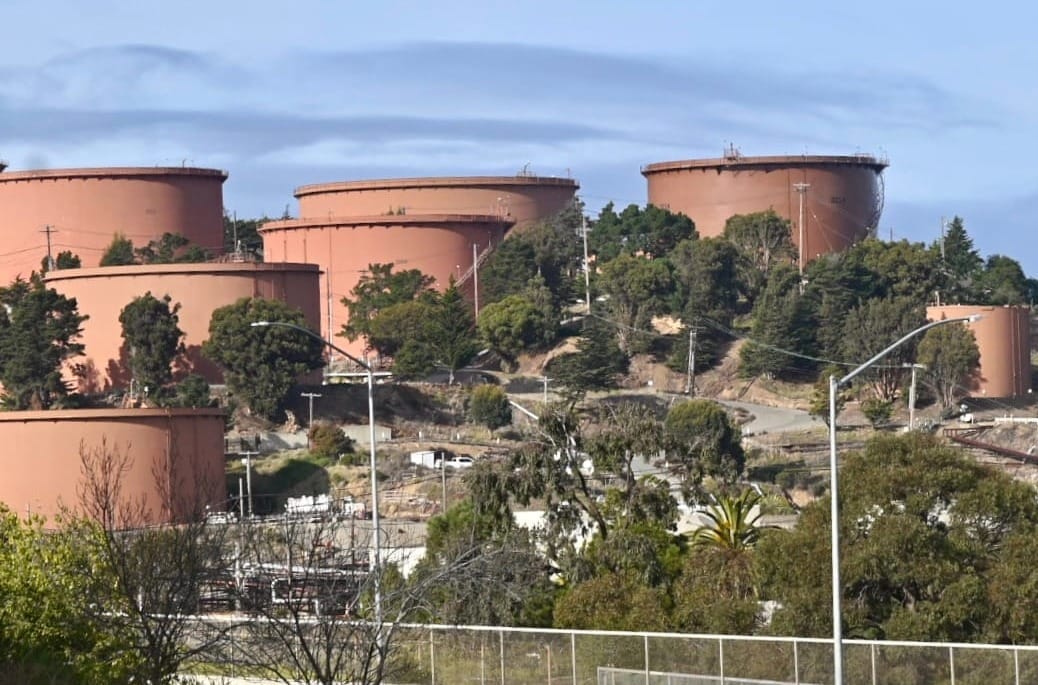
Contra Costa County Fire Protection District officials say residents should have received a public health advisory that night. Instead, Chevron sent a lower-level alert after midnight.
"The incident did not meet the criteria for CWS Level 3, Shelter in Place Order. The incident should have triggered a Public Health Advisory; however, Chevron failed to recognize that there was an incident on site and that they were the source of the odors. By the time this was realized, measured Hydrogen Sulfide (H2S) levels had fallen below any actionable levels, and a CWS Level 1 was submitted," the district said in a public Q&A on the incident.
The district's Hazardous Materials Program has reclassified the incident from Level 1 to Level 2. A Level 1 alert is for an odor not expected to cause offsite health impacts. A Level 2 alert is a public health advisory for incidents that affect offsite areas and may affect the health of sensitive people.
"The 72-hour report determined that the incident from Chevron resulted in offsite impacts which may have resulted in health impacts to sensitive individuals. This information was based on the chemicals released, duration of the event, and measured levels of the chemicals," the district said.
As a Level 2 incident, the release counts as a major chemical accident or release. Chevron must conduct a root cause analysis, and the district said it could pursue penalties or fines.
The gas came from a section of the flare system that was out of service for maintenance, Chevron spokesperson Caitlin Powell said in an email Thursday. Chevron stopped the release and isolated that section.
"While the investigation of the cause of the odor emissions is ongoing, we have determined that approximately 33,900 pounds of hydrogen sulfide and 1,620 pounds of ammonia were emitted from the flare stack over a 42-hour period. As previously reported, the calculated quantities exceeded the applicable reportable quantity for both substances," Powell said. "Based on community monitoring data, we believe the odor dissipated over a large area due to the height of the flare stack and the changing winds."
The reportable quantity for each substance is 100 pounds per day, according to Chevron's 72-hour report.
Report: Gas leaking into idled flare system caused Richmond’s rotten egg smell
Chevron says hydrogen sulfide-containing hydrocarbon gas leaked into part of its Richmond refinery’s flare system, causing the rotten-egg odor that spread across Richmond last week. The section of the flare system had been shut down and isolated for scheduled maintenance, according to a 72-hour report Chevron
 Soren Hemmila
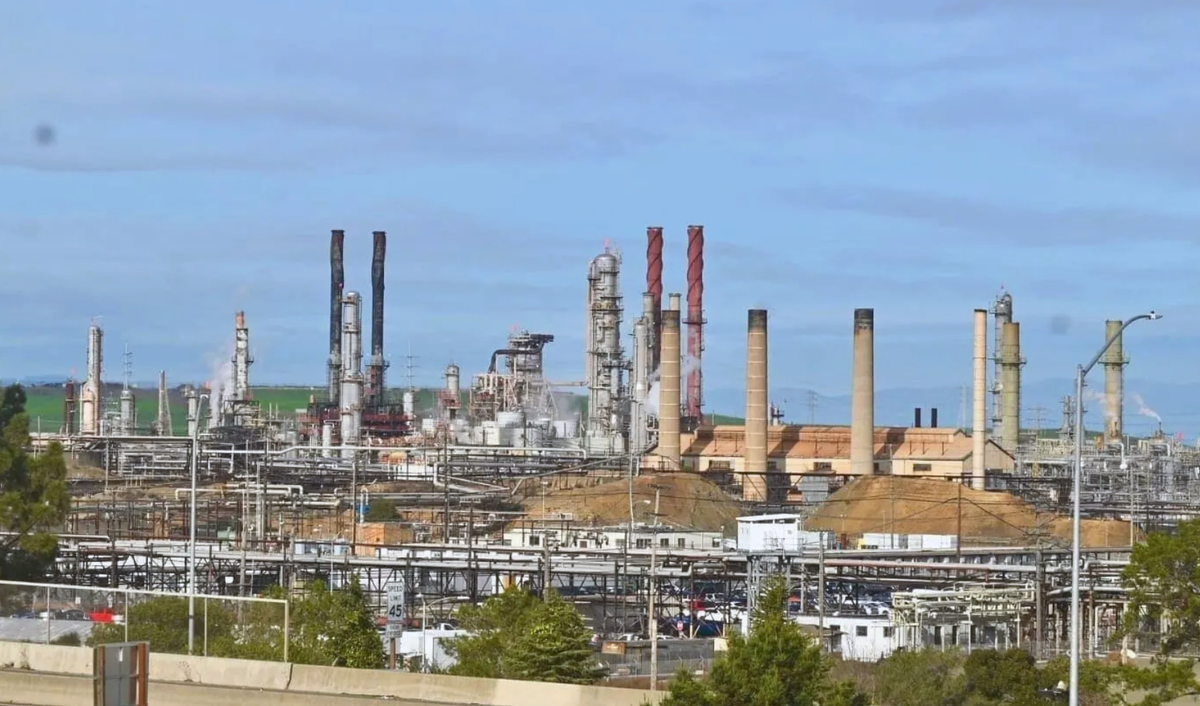
The Bay Area Air District issued Chevron a notice of violation for public nuisance on October 26, according to an updated incident report. The district has received 226 complaints and said it is seeking more information from Chevron to assess potential community impacts.
Air District and Chevron staff detected hydrogen sulfide odors on refinery grounds during a walkthrough around 10:21 a.m. October 23. At 3:26 p.m., Chevron told the district it had traced the emissions to the flare system. Chevron said the emissions were stopped at 4:56 p.m. Chevron notified the state Office of Emergency Services and the National Response Center about 20 minutes after telling the Air District it had found the source, according to the 72-hour report.
The Air District's Seventh Street monitor recorded a peak one-hour average above 200 parts per billion at 8 p.m. October 22. The state's health guideline for one-hour exposure is 30 parts per billion.
"We are committed to learning from this incident and strengthening safeguards against similar events in the future," Powell said.
The Air District's and fire district's investigations are ongoing.
YOU GET MORE WITH A PAID SUBSCRIPTION
Your subscription enables Grandview Independent to deliver more:
- More time devoted to in-depth reporting
- Longer, more comprehensive stories
- Greater coverage of what matters to our community
Quality journalism costs money. Subscriptions allow us to keep reporting the stories that matter, without paywalls getting in the way of critical community information.
CLICK HERE TO SUBSCRIBE - Starting at just $10/month
FOLLOW US FOR BREAKING NEWS:
• Twitter: @GrandviewIndy
• Instagram: @GrandviewIndependent
• Facebook: @Grandview Independent
Members Discussion