
News
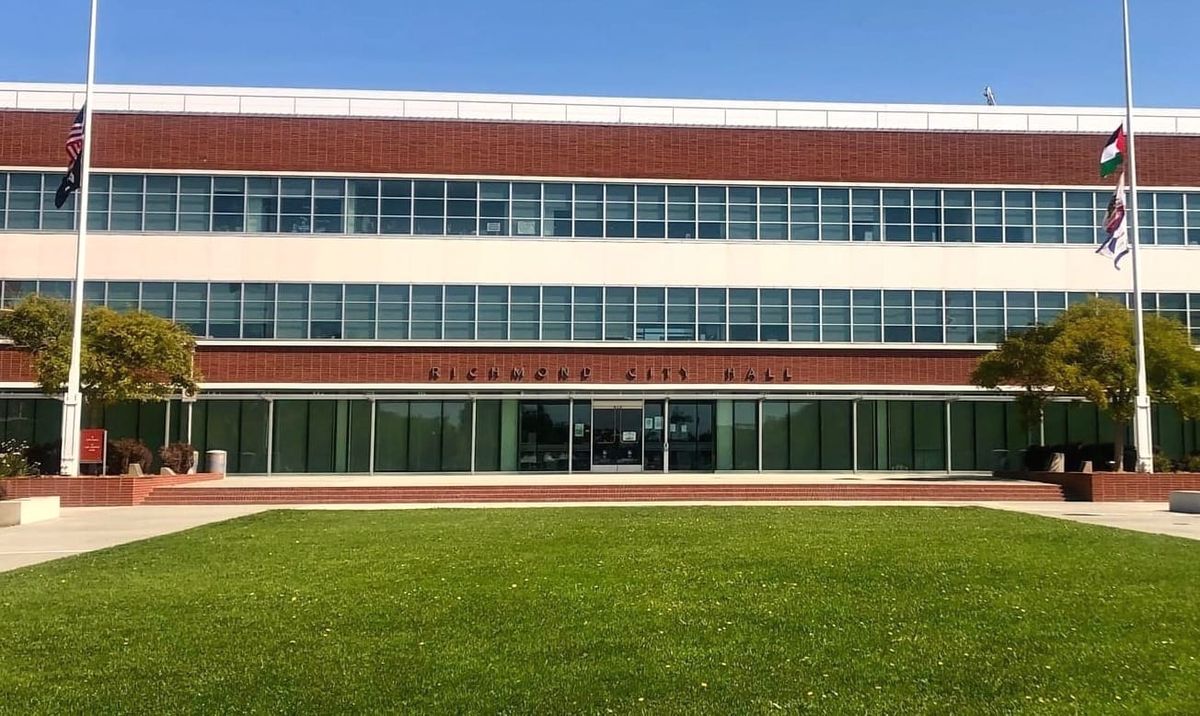
A federal judge in New York has dismissed JPMorgan Chase's lawsuit against the City of Richmond, rejecting the bank’s argument that a 2015 settlement prevents the city from pursuing its own case over pension bond swaps.
U.S. District Judge Victor Marrero issued his ruling on November 17, siding with the city, dismissing JPMorgan's complaint and ordering the case closed.
Richmond sued JPMorgan and Royal Bank of Canada in March 2025 over interest rate swaps tied to bonds the city sold in 2005 to pay down its pension debt.
Richmond sues JPMorgan, Royal Bank of Canada over swap deals
The City of Richmond has filed a lawsuit against JPMorgan Chase, the Royal Bank of Canada, and its former financial advisors, alleging that they engaged in illegal derivative contracts that cost the city tens of millions of dollars. The suit, filed on March 17, targets the Public Resources Advisory Group
 Soren Hemmila
In a swap, a city and a bank agree to exchange interest payments. Richmond's pension bond swaps were meant to lock in a fixed rate once the bonds switched to a variable rate. The city would pay the bank about 5.7 percent, while the bank would pay Richmond a variable rate intended to offset the bond payments.
Bear Stearns sold Richmond the swaps in 2007. JPMorgan took them over when it bought Bear Stearns in 2008, and they were transferred to RBC in 2016.
The city alleges the swaps were illegal from the start because they failed to meet two credit rating requirements under state law. Richmond also says Bear Stearns knew a bond market tied to the deals was about to collapse, and that the bank itself was in financial trouble, but didn't tell the city. Richmond is suing under the California False Claims Act, which allows a city to recover up to three times its losses. The city says it paid more than $60 million to get out of five swap deals.
In February, JPMorgan sued Richmond in the same New York federal court that handled the 2015 settlement. That agreement ended an earlier case in which Richmond and other California municipalities accused JPMorgan and other banks of rigging bids and fixing prices on financial deals sold to local governments.
As part of the settlement, Richmond agreed not to sue over certain kinds of financial transactions. JPMorgan argued that the pension bond swaps were covered by that agreement.
The dispute centered in part on whether the city's pension bonds qualified as tax-exempt debt under the settlement. Richmond's bonds are exempt from state taxes but subject to federal taxes. JPMorgan argued that their state tax-exempt status was enough to bring them within the settlement.
Marrero disagreed.
"Simply put, a tax-exempt debt offering does not mean a federally taxable offering, even if that offering is exempt from state tax," he wrote.
The judge also rejected JPMorgan's argument that Richmond could have raised its current claims in the earlier antitrust case. That case was about price fixing and bid rigging on deals sold to local governments. Richmond's current lawsuit instead alleges that Bear Stearns and JPMorgan made false statements and withheld information about the pension bond swaps.
He wrote that the California lawsuit “has nothing to do with the industry-wide anticompetitive conduct” in the earlier case. He said the 2015 settlement was focused on antitrust claims and did not cover Richmond’s claims that Bear Stearns misled the city and that the banks billed it on illegal deals.
JPMorgan's arguments, Marrero wrote, "contort the text" of the settlement "to bar an action concerning different financial instruments and different conduct."
"The Court is not persuaded that the parties intended for the Settlement Agreement to foreclose unrelated lawsuits," he wrote.
The ruling does not decide whether Richmond will win its case. It means only that the 2015 settlement doesn't stand in the way.
Richmond's case is before U.S. District Judge Charles Breyer in San Francisco. A separate lawsuit by Richmond seeking to recover money paid on the swaps also names RBC and two financial advisory firms, Public Resources Advisory Group and The Majors Group.
Public banking in Richmond? City leaders call for alternatives as it sues big banks
As Richmond pursues legal action against JPMorgan Chase and the Royal Bank of Canada over allegedly predatory financial deals, city officials appear to be doubling down on their support for Public Bank East Bay, a locally controlled financial institution they say will empower communities and prevent future exploitation. The lawsuit,
 Soren Hemmila

City leaders have pointed to the lawsuit as a reason to back a public bank as an alternative to Wall Street institutions.
JPMorgan can appeal the ruling to the 2nd U.S. Circuit Court of Appeals. The general deadline for a federal civil appeal is 30 days after entry of judgment.
YOU GET MORE WITH A PAID SUBSCRIPTION
Your subscription enables Grandview Independent to deliver more:
- More time devoted to in-depth reporting
- Longer, more comprehensive stories
- Greater coverage of what matters to our community
Quality journalism costs money. Subscriptions allow us to keep reporting the stories that matter, without paywalls getting in the way of critical community information.
CLICK HERE TO SUBSCRIBE - Starting at just $10/month
FOLLOW US FOR BREAKING NEWS:
• Twitter: @GrandviewIndy
• Instagram: @GrandviewIndependent
• Facebook: @Grandview Independent
Members Discussion