
food
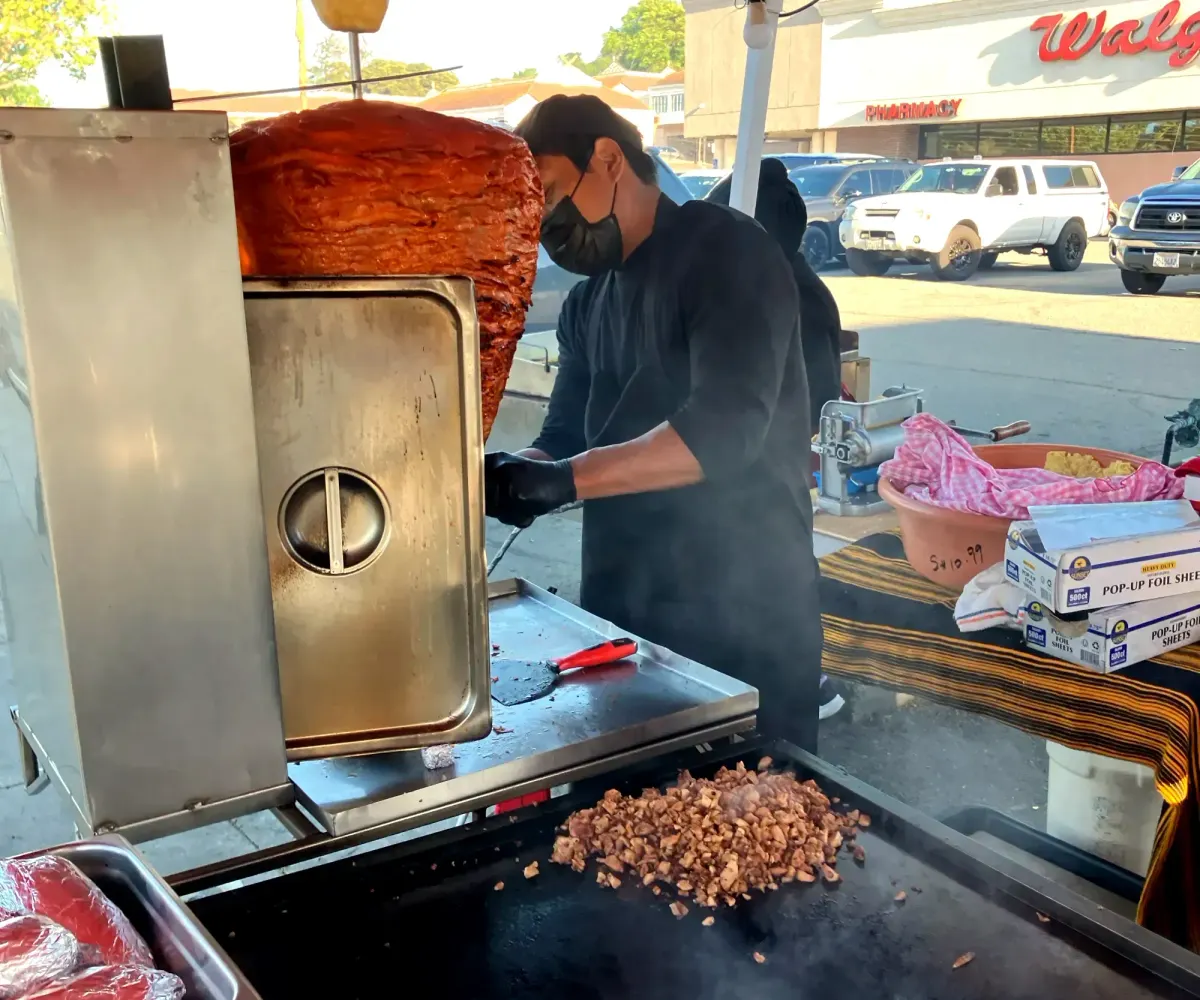
Contra Costa County is asking a judge to shut down a popular but unpermitted taco stand on San Pablo Dam Road after its operators ignored the county's lawsuit, according to court records.
Even with the lawsuit pending, the stand keeps running. Most nights, a line stretches down the sidewalk. Workers shave al pastor from the trompo and work the grill, while customers gather in the nearby Walgreens parking lot to eat.
Walgreens parking lot, San Pablo Dam Road. This is the one.
Here’s the thing about the Walgreens tacos. Here’s the thing. They’re not even open yet, and there’s already a line. It’s not six o’clock. The sun is still doing that golden hour thing over the hills to the east, that specific California evening light
 Soren Hemmila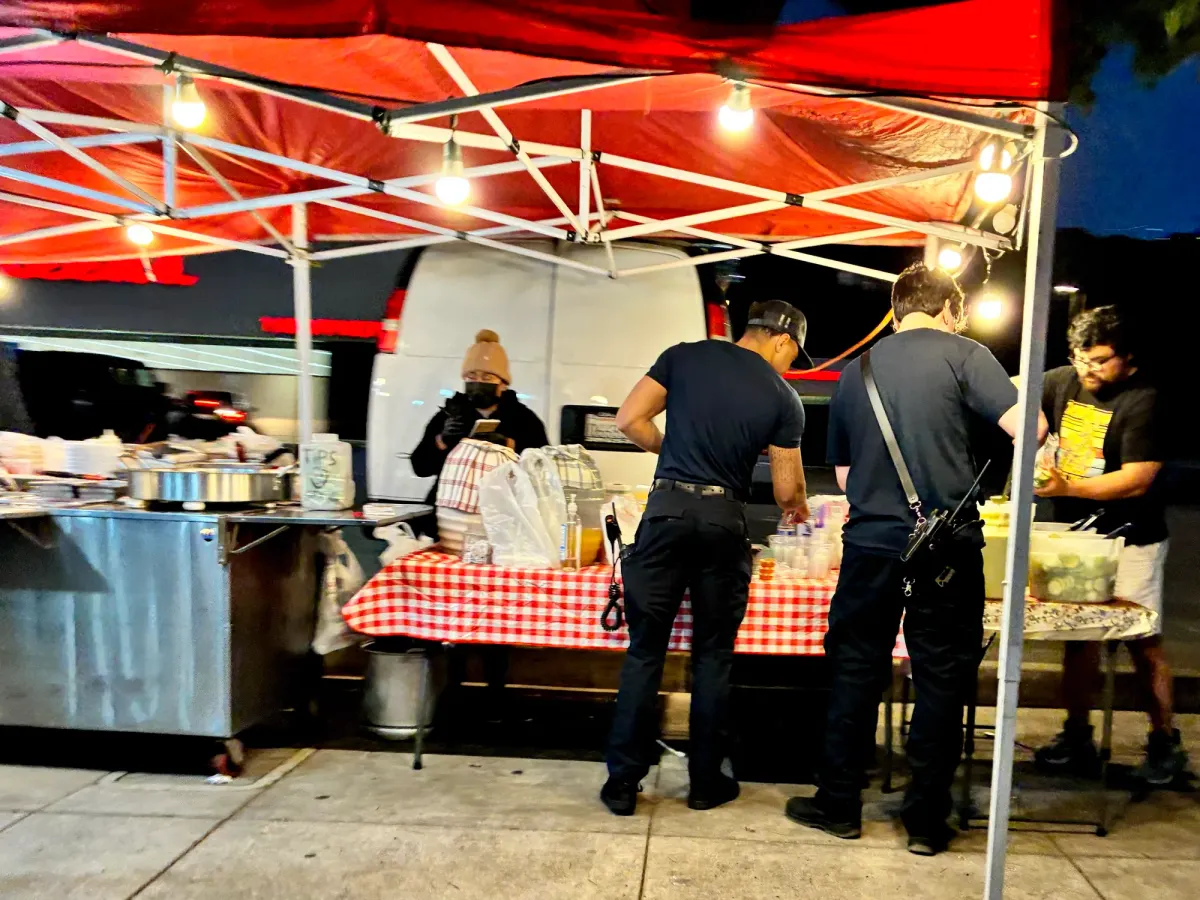
The county filed a lawsuit against Tacos El Torito and three people, Erik Diaz-Ignacio, Hugo Martinez, and Filimon Jimenez-Marin, on May 27 in Contra Costa Superior Court. The lawsuit asks the court to officially designate the stand a public nuisance and permanently order its closure until it obtains a health permit.
According to the lawsuit and a summary Supervisor John Gioia gave to the El Sobrante Municipal Advisory Council, county health inspectors have fielded complaints about Tacos El Torito since early 2024, when the stand first set up near Parker Avenue and Fourth Street in Rodeo.
Inspectors found repeated problems there in March, May and October 2024, including unrefrigerated meat stored in plastic bags, raw meat kept in unsanitary ice coolers and no place for workers to wash their hands. The county wrote the operation up three times and ordered it to stop.
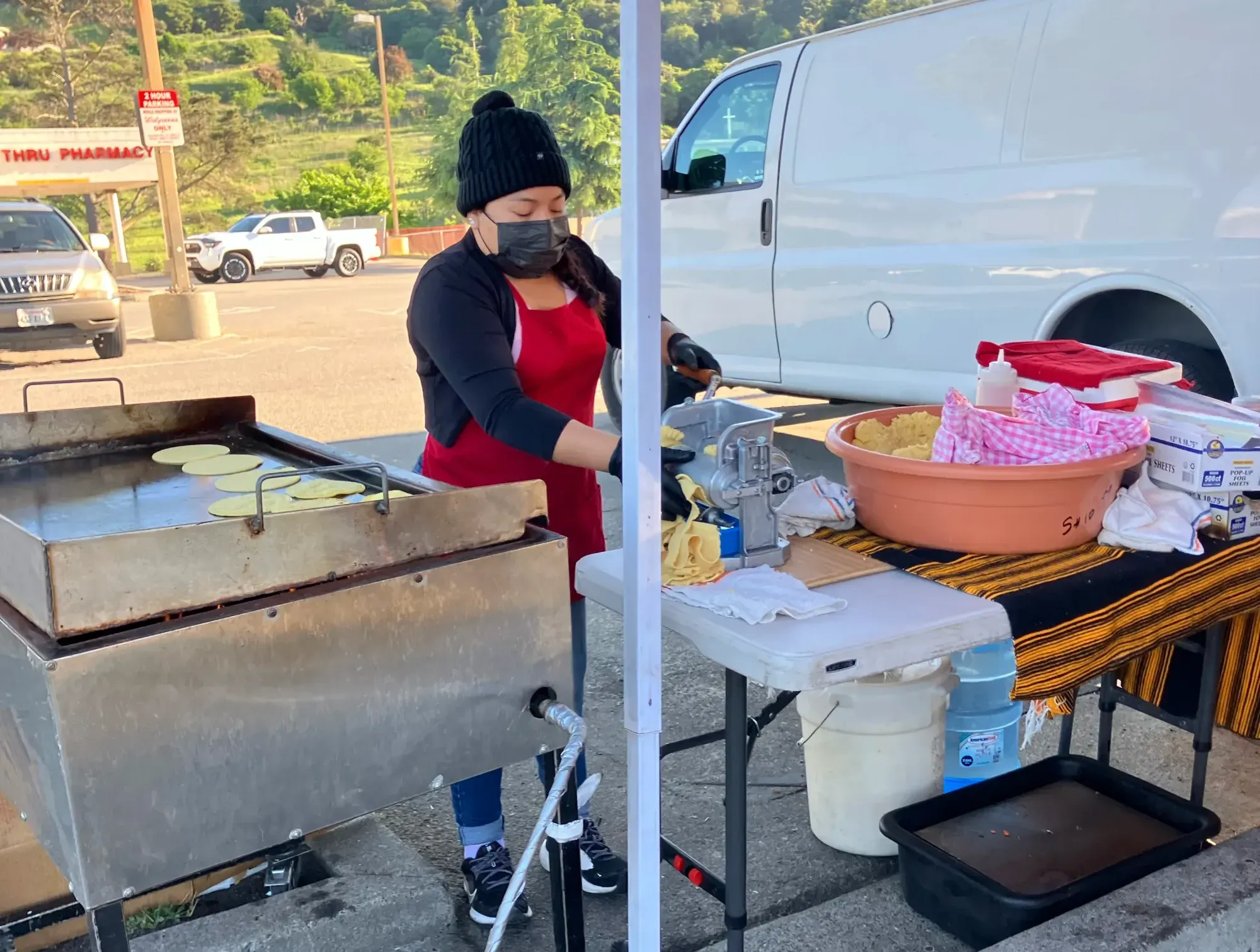
According to the lawsuit, the stand moved to El Sobrante in November 2024, setting up near San Pablo Dam Road and El Portal Drive. Inspectors documented eight more violations there between December 2024 and September 2025, citing similar sanitation problems. Inspectors confiscated equipment and threw out food on multiple occasions, but the operators kept coming back.
Gioia said the operators refused to apply for a permit and told inspectors they'd be back the next day, no matter what got taken or thrown away. He also wrote that the operators have gotten physical with health inspectors, seriously enough that sheriff's deputies have gone along on some inspections for safety.
The county has fined the operation roughly $50,000 since June 2024. None of it has reportedly been paid.
Tacos El Torito actually faces two distinct legal problems, according to Gioia. The first is the health permit.
"Under state law, food vendors need to pass an environmental health inspection," Gioia said, a requirement that exists because "there are many unpermitted vendors who don't follow healthy and sanitary procedures."
County Health has tried repeatedly to get the operators to apply and get approved.
"The vendor has refused to work with environmental health," Gioia said.
Inspectors have been physically threatened on site, which is why sheriff's deputies have had to accompany them on some visits.

The second issue is location. The stand operates on a sidewalk, which Gioia said isn't a legal place to run a food business.
"They've set up tables and chairs on the sidewalk and operate like a restaurant," he said. Legal vendors instead arrange to operate on private property with the owner's permission, an arrangement Gioia called common practice.
"They can still cease their unpermitted operation, work with environmental health to get a health permit, which involves an inspection and making any changes needed to comply with health requirements. Then they would need to work to find a suitable location on private property. We would welcome that," Gioia said. "They have not shown any willingness to cooperate."
The operation's noncompliance also affects nearby businesses, Gioia said.
"The local restaurants, which operate legally and spend money to maintain their facilities and meet health requirements, are being impacted by this operation, which pays no one for the right to use the sidewalk," he said.
The county has received numerous complaints from residents and from the El Sobrante Municipal Advisory Council.
If the county wins its default judgment, a sheriff's deputy would go to the stand and require it to close immediately, Gioia said, comparing the process to how deputies enforce a court-ordered eviction.
"They go to the property and ask the tenant to vacate the premises," he said.
The lawsuit names Tacos El Torito along with Diaz-Ignacio, Martinez, and Jimenez-Marin, who the county says run the business. It asks the court to declare the stand a public nuisance and order it permanently closed until it's properly permitted, plus cover the county's legal costs.
All three individuals were served with the lawsuit in person on June 6 at the stand itself, 3730 San Pablo Dam Road, according to court filings.
None of them filed a response. Because of that, the county is now asking the court to rule in its favor by default and issue the permanent closure order, which the Sheriff's Office would then be responsible for enforcing.
Richmond took a different path from the county. After residents and merchants complained about unpermitted vendors blocking sidewalks and creating health concerns, the city council passed a sidewalk vending ordinance in mid-2024 that required permits, set size and placement rules, and created a Mobile Vendor Plaza program to give vendors a legal place to operate while helping them work toward proper permits.
Richmond City Council moves to regulate sidewalk vending, create food hub
The Richmond City Council unanimously agreed to move forward with an ordinance to regulate sidewalk vendors and establish a food hub at a yet to be decided downtown location at Tuesday night’s council meeting. City staff have received increasing complaints regarding vendors not having proper health permits and blocking
 Soren Hemmila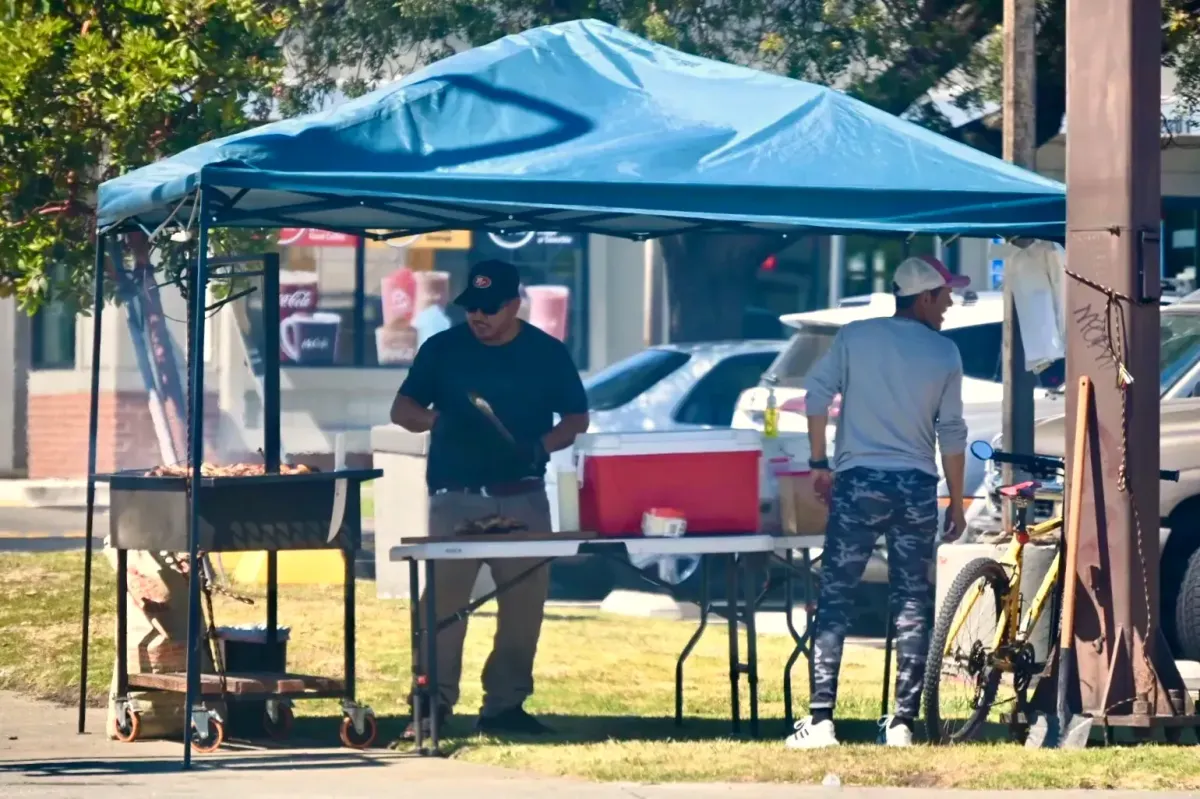
A year in, the program had cut unpermitted vendor counts from 68 to under 30 a month, though it issued nearly 300 violation notices while collecting zero dollars in fines due to state law limits on enforcement.
The approach isn't without friction: a longtime churro vendor was forced to relocate after two decades on the same corner because her family's trailer exceeded the city's new cart-size limit.
Super Churros trailer booted from sidewalk under Richmond’s new vendor ordinance
A family-owned mobile food business that has served the Richmond community for two decades is seeking city council intervention after being forced to relocate due to new regulations that restrict the size of vendor carts on sidewalks. Estephanie Sanchez, representing Super Churros, told the Richmond City Council that her
 Soren Hemmila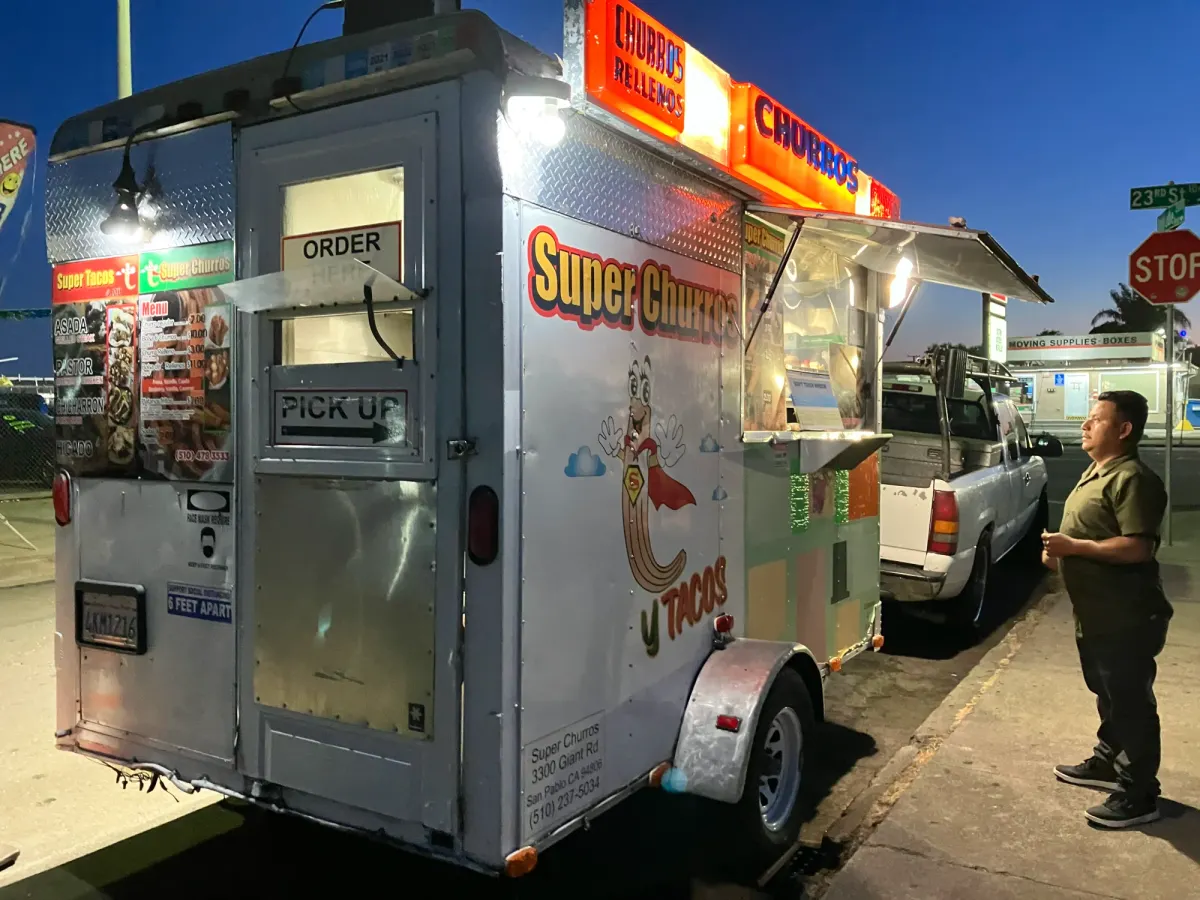
Gioia contrasted the Richmond effort with the standoff in El Sobrante.
"The difference is that the majority of those vendors wanted to be permitted and worked with environmental health," he said. "We would welcome the chance to help the El Sobrante vendor become permitted, but they have shown no willingness to cooperate." What concerns inspectors most, he added, isn't the missing permit itself but "the unhealthy food and sanitation practices that puts the public at risk."
A hearing to check on the progress of the Tacos El Torito case is scheduled for November 2.
YOU GET MORE WITH A PAID SUBSCRIPTION
Your subscription enables Grandview Independent to deliver more:
- More time devoted to in-depth reporting
- Longer, more comprehensive stories
- Greater coverage of what matters to our community
Quality journalism costs money. Subscriptions allow us to keep reporting the stories that matter, without paywalls getting in the way of critical community information.
CLICK HERE TO SUBSCRIBE - Starting at just $10/month
FOLLOW US FOR BREAKING NEWS:
• Twitter: @GrandviewIndy
• Instagram: @GrandviewIndependent
• Facebook: @Grandview Independent
Copyright © 2026 Grandview Independent. All rights reserved.
Members Discussion