
City Council Updates
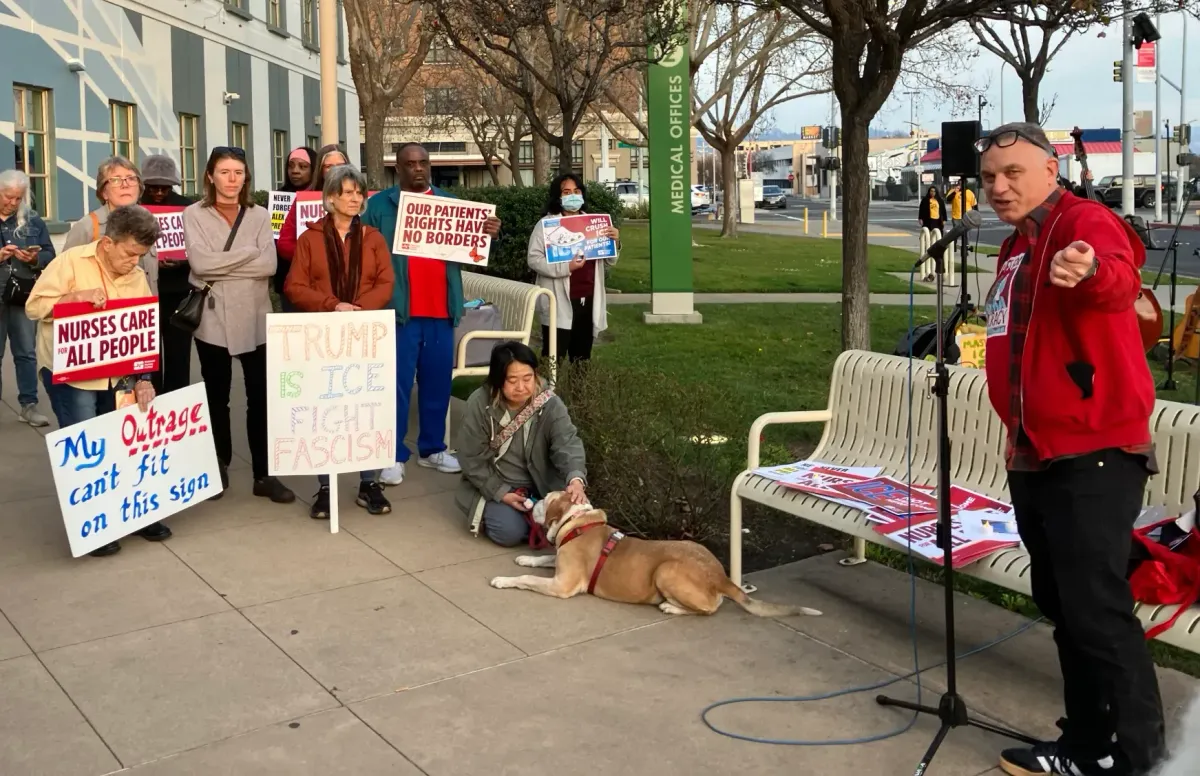
Richmond’s City Council will consider measures on Tuesday to support struggling cannabis businesses and ban federal immigration enforcement from city property, discuss relocating the historic SS Red Oak Victory, and receive a presentation on corporate land acquisitions. The agenda also includes closed-session negotiations regarding the Craneway Pavilion, commission appointments, and the recognition of four community leaders for Black History Month.
Richmond moves to create ICE-free zones
Two councilmembers want to turn municipal buildings into off-limits territory for federal immigration agents, part of a growing movement among California cities to push back against enforcement operations they say threaten public trust and community safety.
Councilmember Claudia Jimenez and Vice-Mayor Doria Robinson are asking the city to draft what they’re calling an “ICE-Free Zone Ordinance,” a policy that would ban U.S. Immigration and Customs Enforcement from using city property for raids and require officials to report any attempts to do so immediately.
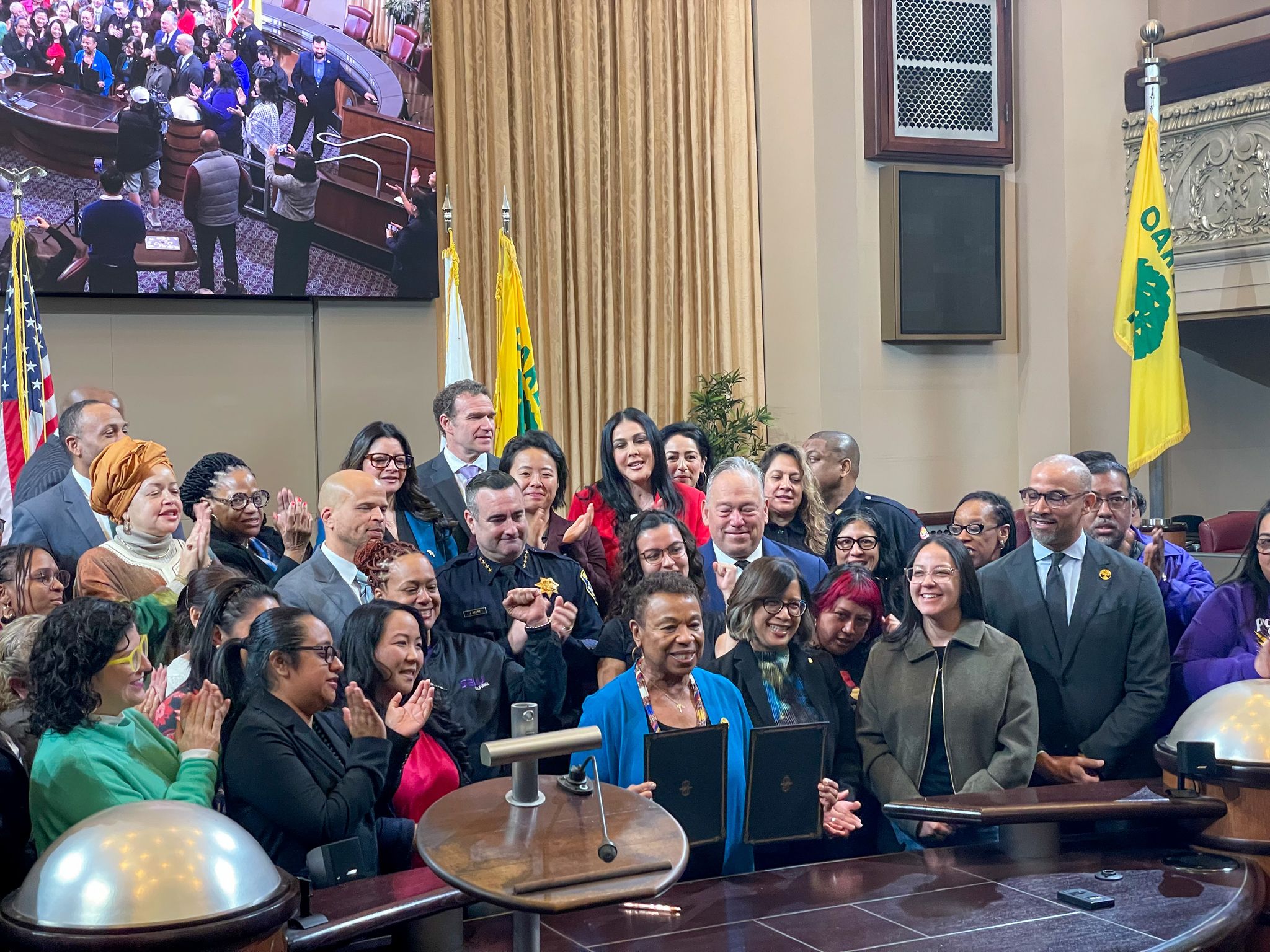
Richmond’s proposal comes amid a wave of similar local actions. Alameda County supervisors unanimously approved ICE-free zones on county property on Tuesday, banning federal immigration agents from using county facilities and requiring physical barriers and signage. Oakland Mayor Barbara Lee signed two executive orders on Thursday, creating a Protect the Town Task Force and prohibiting federal agents from using city property for enforcement.
Oakland: Mayor Lee Signs Executive Orders To Limit Federal Immigration Activity In The City
Oakland Mayor Barbara Lee signed two executive orders Thursday that outline the city’s response to immigration enforcement activity in the city.

“Recent national developments have raised concerns about the use of local government resources and property for federal civil immigration enforcement,” councilmembers wrote in their agenda report.
Richmond already has rules on the books. Chapter 2.30 of the municipal code bars using city property to help enforce federal immigration law. But Jimenez and Robinson say what happened in other cities shows Richmond needs clearer boundaries, better preparation, and a plan to keep residents informed.
The ordinance they’re proposing would go further than what exists now. City departments would have to identify all city-owned or controlled property, post signs declaring those spaces off-limits for immigration enforcement, and install access controls where possible. Any federal attempt to use city facilities would trigger immediate notification to the City Manager, Mayor’s Office, and City Attorney.
Jimenez and Robinson are also pushing for community preparedness planning to explore converting libraries, recreation centers, and community centers into emergency shelters or clinics during crises.
The plan includes neighborhood-level preparation: block-by-block organizing, participation in Community Emergency Response Teams, and distribution of preparedness packets with emergency contacts, immigrant defense resources, services for unhoused residents, food distribution sites, and rental assistance information.
The Richmond proposal directs City Manager Shasa Curl and City Attorney Shannon Moore to report back on March 3 regarding the city’s current and planned responses to federal immigration enforcement, and to return within 45 days with a draft ordinance.
Pot shops getting smoked by the competition
On paper, Richmond’s cannabis agenda item looks routine: a consent calendar request for staff to come back in 60 days with recommendations. In reality, it’s a response to a market that’s been quietly buckling under its own weight.
State regulators have been warning about it for months. The California Department of Cannabis Control’s latest Report on the Condition and Health of the Cannabis Industry says legal sales have slipped from their pandemic highs, even as the state continues to license more production than the legal market can absorb. The result is oversupply, deep price compression, and thinning margins, which have pushed some operators to shut down or let licenses lapse.
A state-commissioned California Cannabis Market Outlook estimates licensed growers produced about 1.4 million pounds of cannabis in 2024, while total consumption statewide was closer to 3.8 million pounds. That gap translates into a legal market that supplies only about 40 percent of what Californians consume, with the rest still coming from unlicensed sellers.
Richmond is feeling the same pressure. A staff report prepared for Tuesday’s City Council meeting says licensed cannabis dealers in the city are struggling with rising compliance costs, state tax obligations, and competition from illegal operators who don’t pay either. Those pressures, staff warned, threaten not only business viability but the city’s Cannabis Equity Program, which was designed to help operators from communities disproportionately harmed by past drug enforcement.
Richmond collected nearly $1.2 million in marijuana taxes during the 2024-2025 fiscal year from 14 cannabis businesses operating in the city.
The agenda item would direct the city manager to return within 60 days with options that could include financial relief, regulatory adjustments, or equity-focused assistance, in an effort to keep the local legal market from slipping further behind the illicit market.
Red Oak Victory: All at sea over a stationary ship
The council is set to revisit two items that have appeared on previous agendas. The first involves approving a $299,797 contract with Liftech Consultants Inc. to plan and conduct preliminary design work for relocating the SS Red Oak Victory, a historic World War II cargo ship. This item, originally scheduled for the December 16, 2025, meeting, was continued and is now back for consideration.
On the agenda: port finances, youth programs, and fire safety
The Richmond City Council’s January 6, 2026, meeting will address approving a contract to relocate the historic SS Red Oak Victory ship, discussing in closed session a liability claim filed by former Police Chief Allwyn Brown, and reviewing Port of Richmond financial reports and an independent evaluation of youth grant
 Soren Hemmila
Legal limits on institutional landlords
The second item returns to the issue of corporate land-grab practices, which was first heard last year. Councilmember Soheila Bana is bringing forward a presentation from the Sustainable Economies Law Center that will examine how corporations acquire land in ways that may disadvantage local communities and residents.
The agenda item calls for the council to receive the presentation and then direct the City Attorney’s Office to evaluate the legal risks associated with enacting local legislation to ban such practices in Richmond.

Craneway to heaven: A waterfront venue deal
The council will enter closed session to discuss negotiations regarding the Craneway Pavilion at 1414 Harbour Way South, the waterfront venue currently operated by Orton Entertainment, LLC. With the city’s Community Development Director, Finance Director, and special legal counsel at the negotiating table, the discussion will focus on price and payment terms.
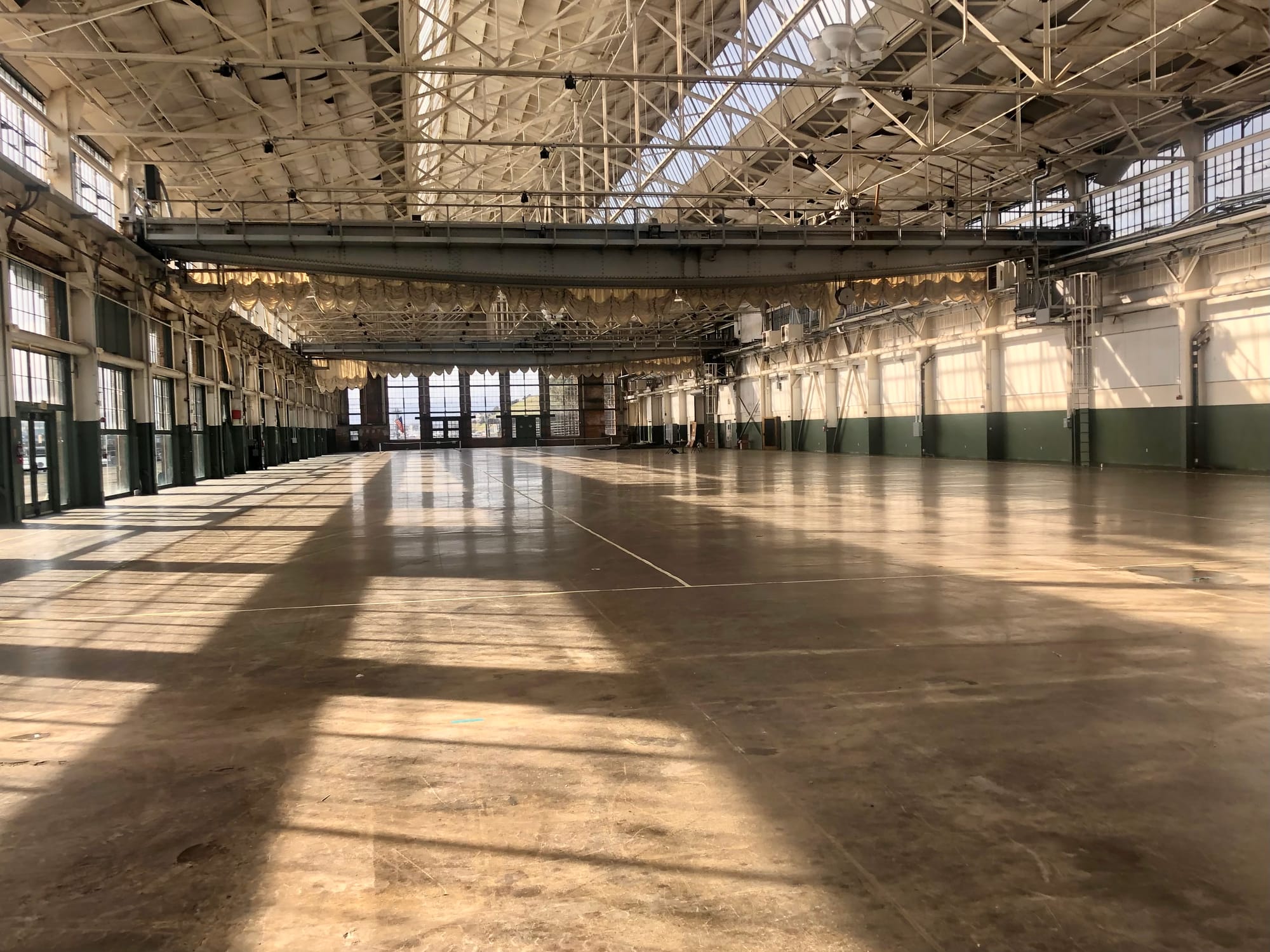
The Craneway has been a source of ongoing tension between the city and its private operator, with disputes over management, maintenance, and the venue’s role in Richmond’s waterfront revitalization, making this closed-door negotiation a potentially significant development in the fate of one of the city’s most distinctive public assets.
Richmond in negotiations over Craneway Pavilion future
City officials say a deal may be close with the current leaseholder of the historic Craneway Pavilion after months of private negotiations. City Councilmember Sue Wilson informed residents at the November 12 Marina Bay Neighborhood Council meeting that negotiations are ongoing, but they remain confidential due to legal requirements for
 Soren Hemmila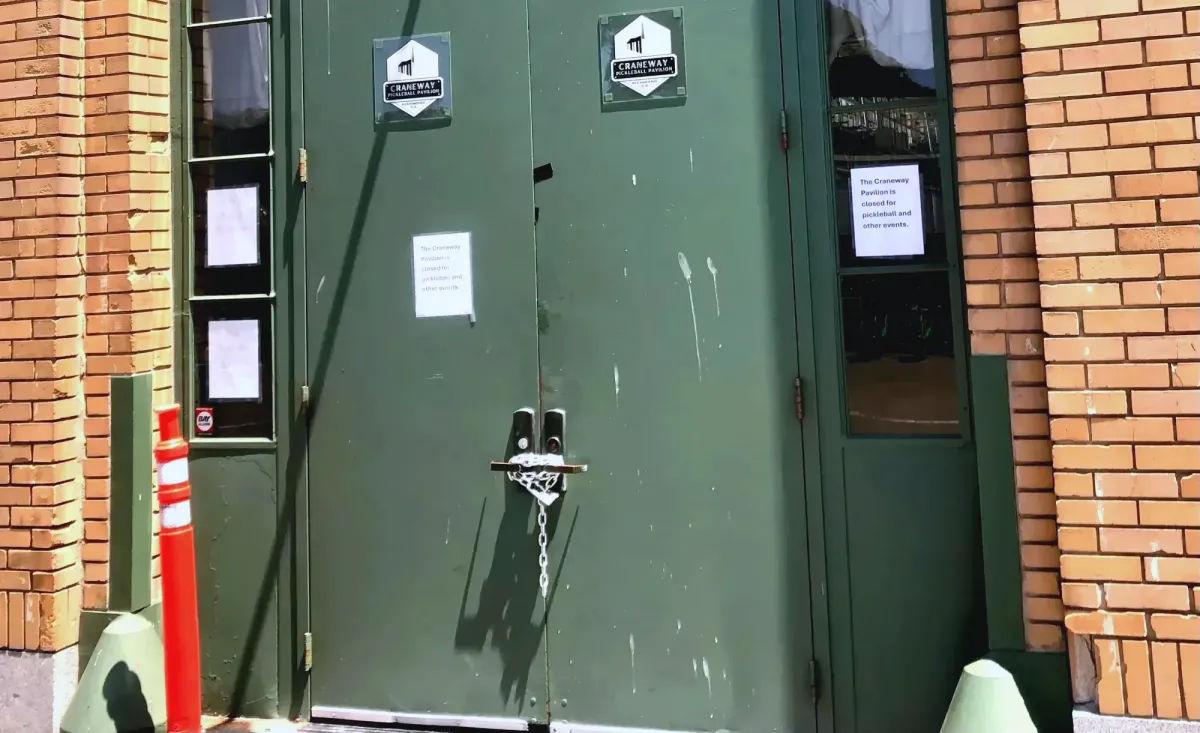
Board games: mayor assigns to arts, commerce, and corridor commissions
Mayor Eduardo Martinez is bringing forward four commission and task force appointments for council approval: Jamin Pursell to the Economic Development Commission, Cata Aviña to the Richmond Arts and Culture Commission, and both Ruthie Dineen and Bryan Alvarez to the Macdonald Avenue Corridor Task Force.
Richmond honors four Black civic stalwarts
Doris Mason, A.J. Jelani, J.C. Farr Jr., and Nat Bates are being recognized as longstanding Black community leaders and Neighborhood Council contributors in a proclamation celebrating Black History Month.
YOU GET MORE WITH A PAID SUBSCRIPTION
Your subscription enables Grandview Independent to deliver more:
- More time devoted to in-depth reporting
- Longer, more comprehensive stories
- Greater coverage of what matters to our community
Quality journalism costs money. Subscriptions allow us to keep reporting the stories that matter, without paywalls getting in the way of critical community information.
CLICK HERE TO SUBSCRIBE - Starting at just $10/month
FOLLOW US FOR BREAKING NEWS:
• Twitter: @GrandviewIndy
• Instagram: @GrandviewIndependent
• Facebook: @Grandview Independent
Copyright © 2026 Grandview Independent, all rights reserved.
Members Discussion